 中文简体
中文简体
 English
 русский
 Español
 日本語
日本語
 Deutsch
 Tiếng Việt

+86-576-88024290
Search
05 12, 2025
Press & Media
Automobile oil filter seals are small but vital components in the oil filtration system of a vehicle. They play a crucial role in maintaining the proper function of the oil filter, which is responsible for keeping the engine's oil clean by removing impurities. The oil filter seal acts as a barrier between the filter and the engine, preventing oil leaks and ensuring that oil is efficiently filtered as it flows through the system.
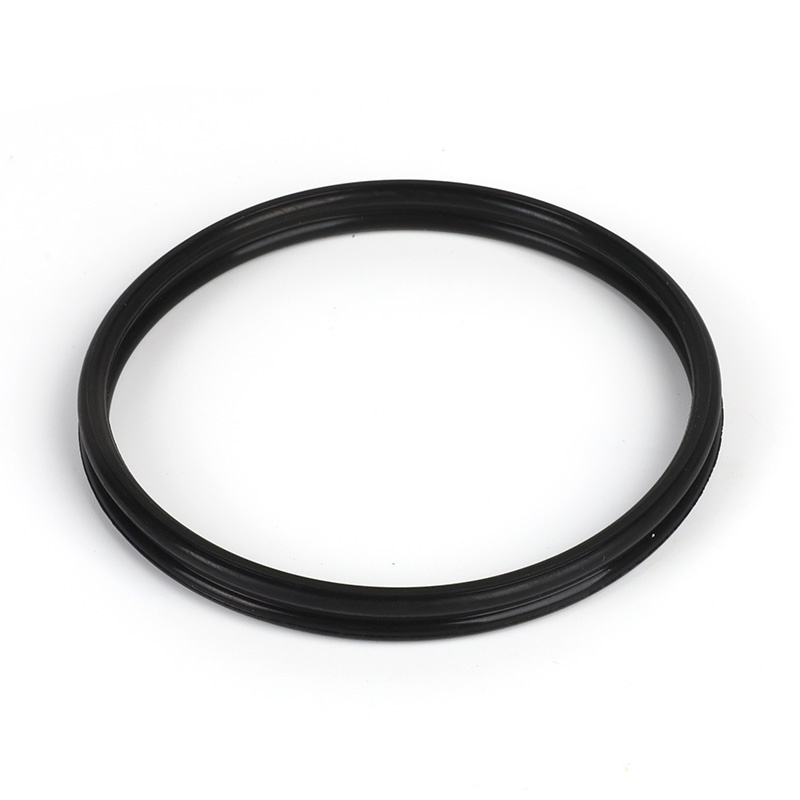
The seal also helps to secure the filter in place, which is essential for preventing any movement or dislodging during the vehicle's operation. Without a functioning oil filter seal, oil could escape, or contaminants could enter the engine, potentially damaging engine components and reducing overall performance.
The condition of the oil filter seals can significantly affect engine performance. When the seals are in good condition, they contribute to the smooth flow of oil, allowing the oil to filter out impurities and circulate efficiently through the engine. Clean oil helps lubricate moving parts and reduces friction, which is vital for maintaining the engine's performance over time.
On the other hand, if the oil filter seal is damaged or worn out, it may not provide a secure connection, allowing oil to leak. Low oil levels or contaminated oil can result from such leaks, which will affect the engine’s ability to function properly. This could cause poor engine performance, including reduced power, increased fuel consumption, and potentially irreversible engine damage if the problem is not addressed.
Oil leaks caused by a compromised oil filter seal can result in a loss of oil, which is essential for keeping the engine well-lubricated. If the oil level drops too low, the engine can experience increased friction, which can cause overheating and rapid wear of critical engine components. Additionally, when an oil filter seal fails, contaminants from the outside environment may enter the engine. Dirt, dust, and debris can mix with the oil, causing it to lose its ability to properly lubricate and clean the engine. This contamination can further damage internal engine parts, such as pistons and bearings.
A properly sealed oil filter ensures that the oil remains clean, free of contaminants, and at the appropriate level, helping the engine perform efficiently for longer periods. The oil filter seal, while small, plays an important role in preventing these issues from occurring.
To maintain good engine performance, it is essential to regularly inspect the automobile oil filter seals. Over time, the seals may degrade due to exposure to high temperatures, pressure, and constant vibration from the engine. Regular checks during routine oil changes can help identify any issues with the seals before they cause more significant problems. It is generally recommended to replace the oil filter and seals together during oil changes to avoid potential performance issues and maintain the vehicle’s overall health.
Ignoring worn or damaged oil filter seals can result in oil leaks, reduced engine efficiency, and even serious engine damage that could be costly to repair. Ensuring that the oil filter seals are in good condition helps preserve engine performance and extend the lifespan of the vehicle.
When selecting automobile oil filter seals, manufacturers typically use materials that are designed to withstand the harsh conditions inside the engine. Common materials include rubber, silicone, and nitrile, which offer durability and flexibility. These materials allow the seals to form a tight bond between the oil filter and the engine, helping to prevent leaks and maintain clean oil flow.
It is important to choose high-quality seals that are compatible with your vehicle's make and model. Using substandard seals or incorrect parts can result in seal failure, oil leaks, and ultimately a decrease in engine performance. Always follow the manufacturer’s guidelines for replacing oil filter seals and choose trusted products for good results.
Automobile oil filter seals are more than just small components—they play an essential role in maintaining engine performance.

product center
Contact Info
+86-576-88024290
txm@zhejianghaiwei.com
No. 515, Jiutang South Road, TaizhouBay New District, Taizhou, Zhejiang, China.

Vehicle Rubber Seals Factory