 中文简体
中文简体
 English
 русский
 Español
 日本語
日本語
 Deutsch
 Tiếng Việt

+86-576-88024290
Search
13 02, 2026
Press & Media
Electrical exchange cabinets act as the nerve center of modern infrastructure, distributing power across factories, commercial buildings, and digital facilities. As electrical density increases, heat accumulation and circuit stress become more common, raising the probability of internal ignition.
The Electricity Exchange Cabinet Water Fire Fighting solution responds to this challenge with rapid detection and controlled suppression. Instead of relying solely on external firefighting equipment, organizations are now adopting built-in protection strategies that react within seconds.
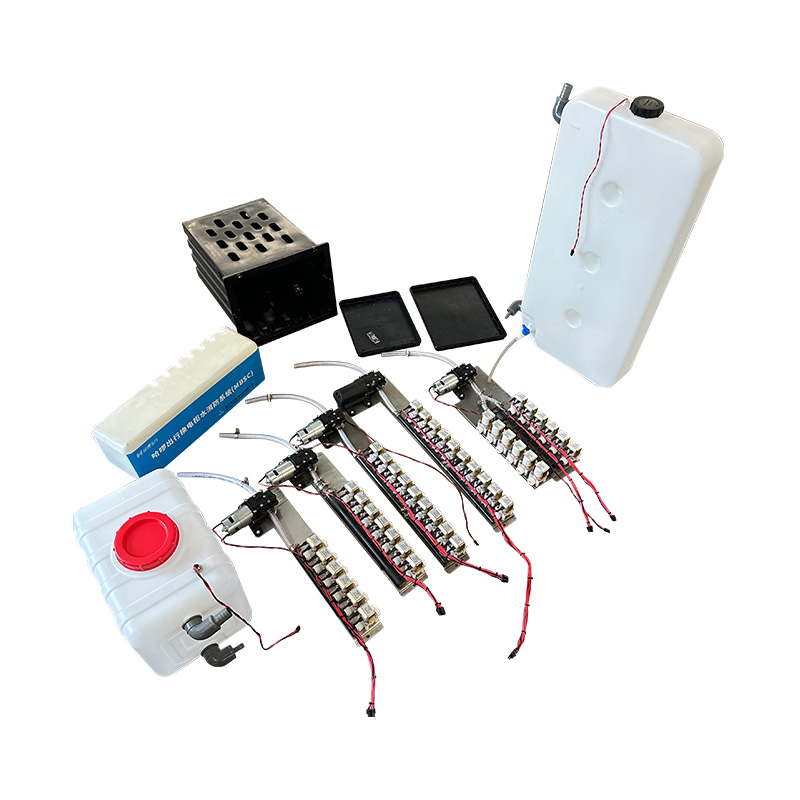
Early intervention helps reduce equipment damage, operational pauses, and costly repairs while supporting stable power distribution.
Unlike open-area fires, cabinet incidents often begin in confined spaces where airflow is restricted. This environment allows the temperature to rise quietly until the insulation materials degrade.
Installing an Electricity Exchange Cabinet Water Fire Fighting system provides a proactive layer that responds before flames expand beyond the enclosure.
Modern systems combine multiple sensing technologies to create a faster reaction chain. The Electricity Exchange Cabinet Water Fire Fighting configuration typically integrates temperature analysis with smoke recognition.
This synchronized process reduces reliance on manual observation and supports continuous monitoring, even during unattended hours.
Traditional sprinklers often release large water volumes across wide areas. Cabinet-focused suppression follows a different philosophy.
The Electricity Exchange Cabinet Water Fire Fighting approach directs water precisely toward the heat source through calibrated nozzles. This targeted method cools components efficiently while limiting unnecessary exposure to surrounding hardware.
Such engineering allows facilities to address fire events while maintaining the integrity of nearby electrical modules.
Reliability begins with cabinet construction. Many Electricity Exchange Cabinet Water Fire Fighting units are manufactured using reinforced metal frameworks paired with protective coatings.
These structural elements support performance in demanding environments such as manufacturing plants or transport hubs.
A robust enclosure helps the firefighting mechanism operate under pressure while extending equipment lifespan.
The adaptability of the Electricity Exchange Cabinet Water Fire Fighting solution allows it to serve multiple industries where uninterrupted electricity plays a central role.
Continuous machinery requires dependable power distribution. Integrated suppression helps reduce unexpected shutdown risks.
Server environments benefit from rapid containment strategies that protect valuable digital assets.
Shopping centers and office towers rely on centralized power rooms, making localized fire control highly practical.
Rail terminals and logistics centers often operate around the clock, increasing the importance of automated protection.
Across these environments, prevention strategies contribute to smoother operational planning.
Every facility presents unique spatial constraints. One advantage of the Electricity Exchange Cabinet Water Fire Fighting design is its compatibility with both new installations and retrofit projects.
Engineers can position sensors strategically, adjust water flow parameters, and integrate alerts into existing building management platforms.
This flexibility allows organizations to upgrade protection without major structural redesign.
Consistent inspection keeps firefighting equipment functioning as intended. Facilities using an Electricity Exchange Cabinet Water Fire Fighting system often adopt scheduled evaluations to maintain readiness.
Routine attention helps identify wear early and supports dependable activation during emergencies.
Water-based suppression continues to gain attention as organizations evaluate environmental impact. The Electricity Exchange Cabinet Water Fire Fighting method avoids chemical residues, simplifying cleanup after discharge.
From a workplace perspective, rapid cooling can slow fire progression and reduce smoke concentration, helping teams navigate evacuation procedures more effectively.
As sustainability discussions expand across industries, many planners see water-focused systems as a practical balance between performance and environmental awareness.
Fire-related damage often extends beyond equipment replacement. Production pauses, service disruptions, and recovery logistics can influence long-term profitability.
Adopting an Electricity Exchange Cabinet Water Fire Fighting strategy supports risk management by helping organizations protect infrastructure and maintain operational continuity.
This broader financial view encourages companies to treat fire protection as part of strategic infrastructure rather than an optional add-on.
Selecting the right manufacturing partner plays a major role in system performance. Experienced producers of Electricity Exchange Cabinet Water Fire Fighting equipment typically provide technical guidance alongside customizable configurations.
Clear documentation and training resources further help facility managers operate the system efficiently.

product center
Contact Info
+86-576-88024290
txm@zhejianghaiwei.com
No. 515, Jiutang South Road, TaizhouBay New District, Taizhou, Zhejiang, China.

Vehicle Rubber Seals Factory