 中文简体
中文简体
 English
 русский
 Español
 日本語
日本語
 Deutsch
 Tiếng Việt


+86-576-88024290
Search
25 03, 2026
Press & Media
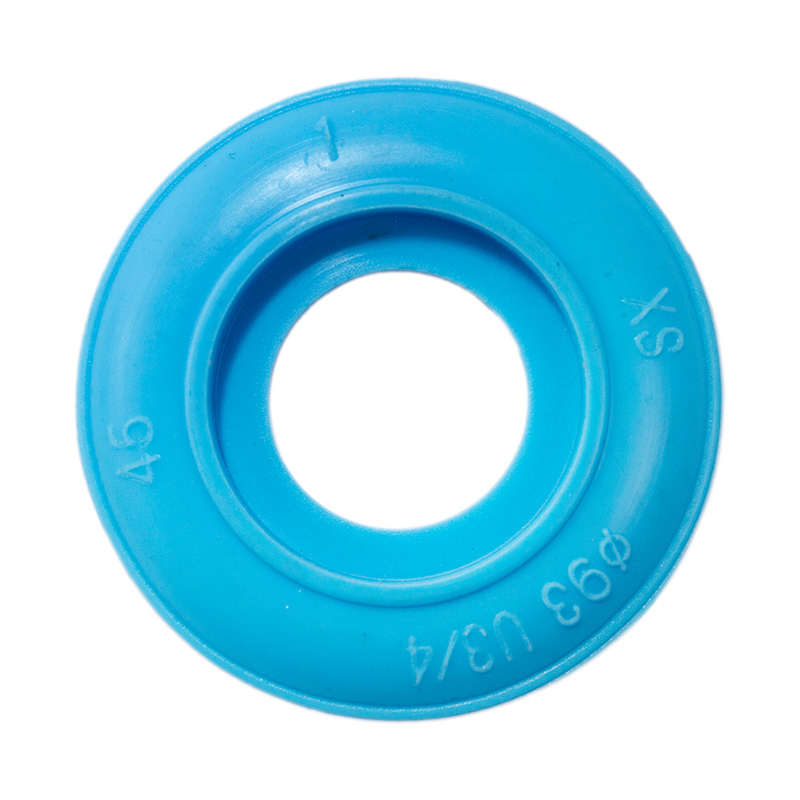
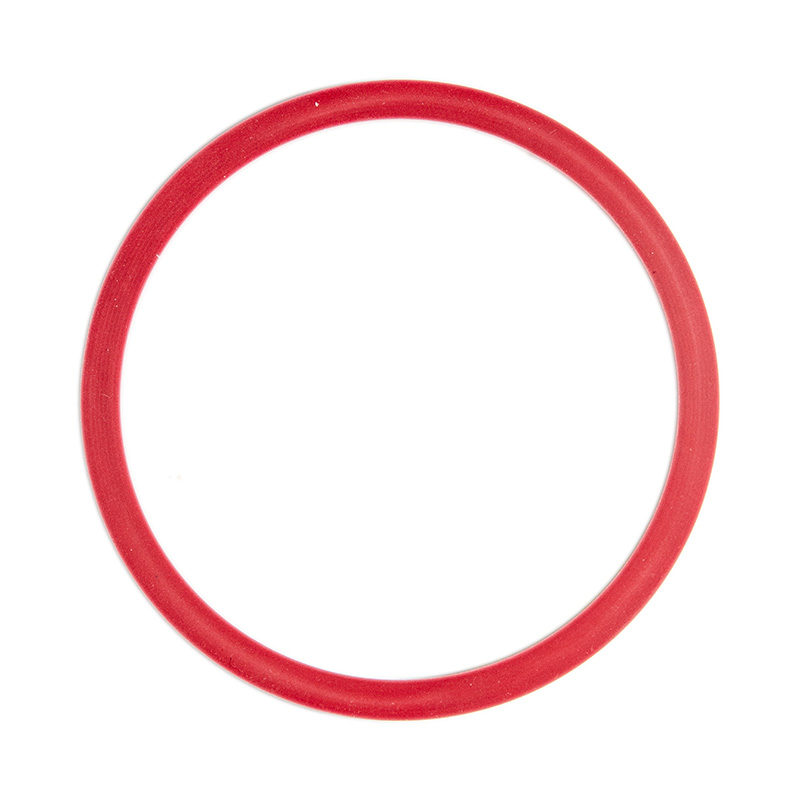
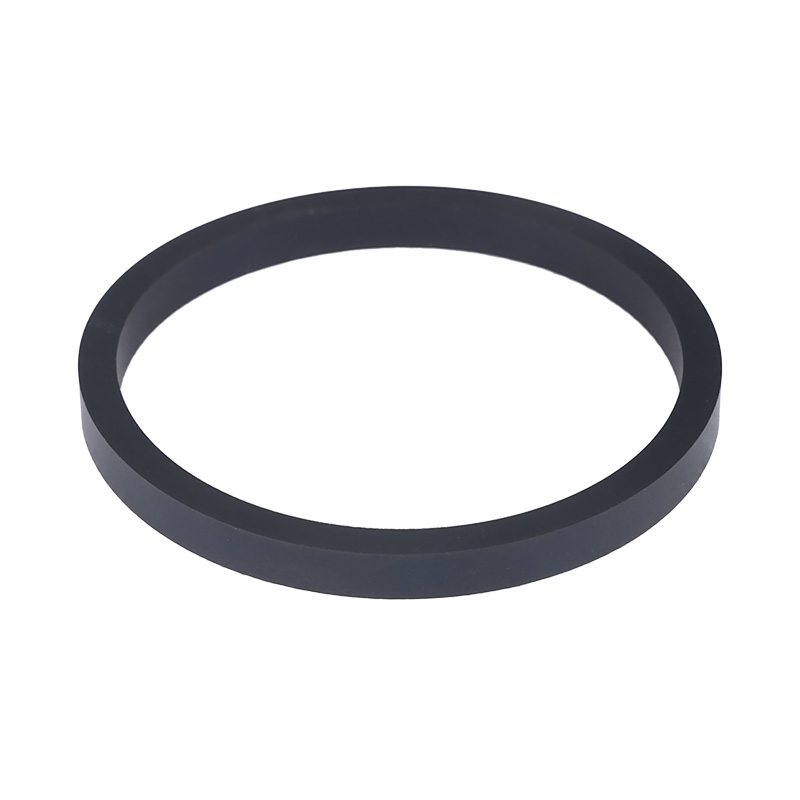
In modern automotive engines, maintaining stable oil circulation is essential for reducing friction, cooling internal components, and extending service life. Automobile Oil Filter Seals play a vital role in ensuring that lubricating oil flows properly through the filtration system without leakage. These sealing components are installed between the oil filter housing and engine block to prevent oil escape under pressure.
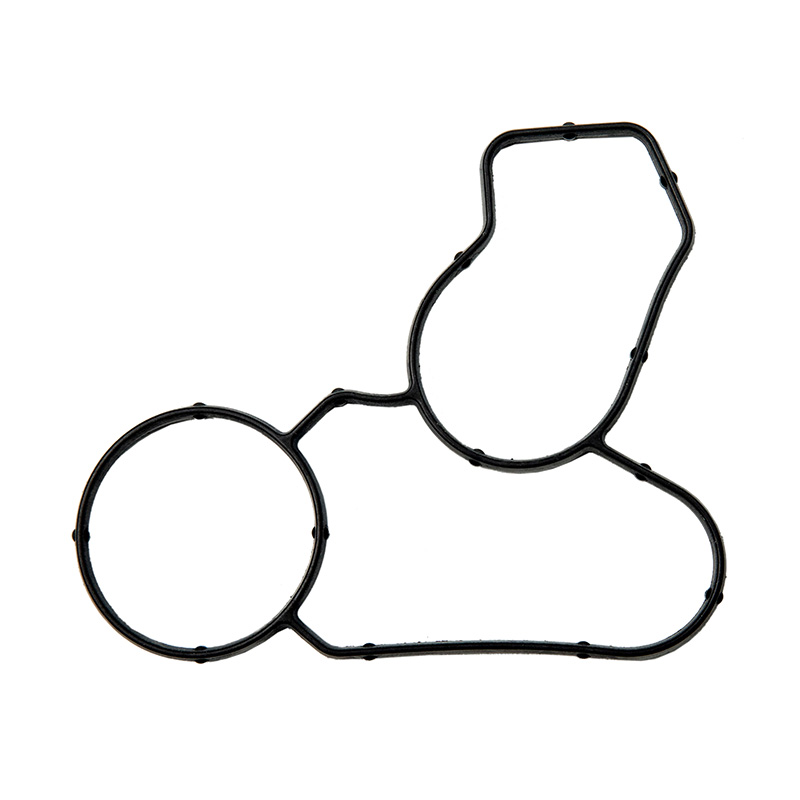
As engines operate under high temperature and fluctuating pressure conditions, the quality of Automobile Oil Filter Seals directly influences overall lubrication efficiency. A secure sealing interface prevents contamination, pressure loss, and potential engine damage caused by insufficient oil flow.
Automobile Oil Filter Seals are typically manufactured from elastomer materials such as nitrile rubber, fluorocarbon rubber, or silicone compounds. Each material offers specific resistance characteristics suited to engine oil environments. High temperature tolerance, oil compatibility, and compression resistance are essential performance factors.
Advanced formulations used in Automobile Oil Filter Seals ensure long-term elasticity even under continuous thermal cycling. Proper material selection reduces the risk of hardening, cracking, or deformation, which cancause leakage. In high-performance engines, premium elastomer compounds provide enhanced durability and chemical stability.
The geometry of Automobile Oil Filter Seals is carefully engineered to maintain consistent compression between contact surfaces. Proper cross-sectional design ensures uniform pressure distribution, minimizing the possibility of oil seepage during engine operation.
Precision manufacturing guarantees dimensional accuracy, allowing Automobile Oil Filter Seals to fit securely within filter housings. Accurate sizing is critical because excessive compression may cause material fatigue, while insufficient compression can compromise sealing effectiveness.
Production of Automobile Oil Filter Seals involves precision molding processes such as compression or injection molding. Tooling design must reflect strict dimensional tolerances to ensure consistent performance across large production volumes.
Each batch of Automobile Oil Filter Seals undergoes rigorous quality inspection including hardness testing, tensile strength evaluation, compression set analysis, and oil resistance testing. These verification steps confirm that the seals can withstand prolonged exposure to engine oil and elevated temperatures without performance degradation.
Automobile Oil Filter Seals are widely used in passenger cars, commercial vehicles, motorcycles, and heavy-duty trucks. Different engine models may require customized sealing dimensions and material specifications.
In turbocharged or high-output engines, Automobile Oil Filter Seals must endure higher pressure levels and thermal loads. Reliable sealing performance prevents oil leakage that could otherwise reduce lubrication efficiency or contaminate engine compartments. Stable sealing contributes to smoother engine operation and improved overall reliability.
During routine oil filter replacement, Automobile Oil Filter Seals should be inspected for wear or deformation. Proper installation and lubrication during assembly help maintain sealing integrity. Replacing worn seals at recommended service intervals reduces the risk of unexpected leakage.
High-quality Automobile Oil Filter Seals maintain flexibility and sealing force over extended service cycles, supporting consistent oil pressure regulation within the engine system.
With advancements in engine technology and stricter emission standards, lubrication systems must operate with greater efficiency and reliability. Automobile Oil Filter Seals serve as small yet critical components that safeguard engine health.
Through optimized material engineering, precise molding processes, and structured quality management, Automobile Oil Filter Seals provide dependable sealing performance across diverse automotive applications. Their consistent reliability enhances engine durability, reduces maintenance risk, and supports long-term operational stability in modern vehicles.

product center
Contact Info
+86-576-88024290
txm@zhejianghaiwei.com
No. 515, Jiutang South Road, TaizhouBay New District, Taizhou, Zhejiang, China.

Vehicle Rubber Seals Factory