 中文简体
中文简体
 English
 русский
 Español
 日本語
日本語
 Deutsch
 Tiếng Việt

+86-576-88024290
Search
02 01, 2026
Press & Media
Electricity exchange cabinets are crucial components in power distribution systems, housing sensitive electrical equipment such as transformers and circuit breakers. These cabinets are often found in electrical substations and industrial facilities. Since they contain high-voltage electrical equipment, the risk of fire is significant, making an efficient fire protection system essential. One such system is the Electricity Exchange Cabinet Water Fire Fighting system, designed to prevent or extinguish fires quickly before they can spread or cause serious damage.
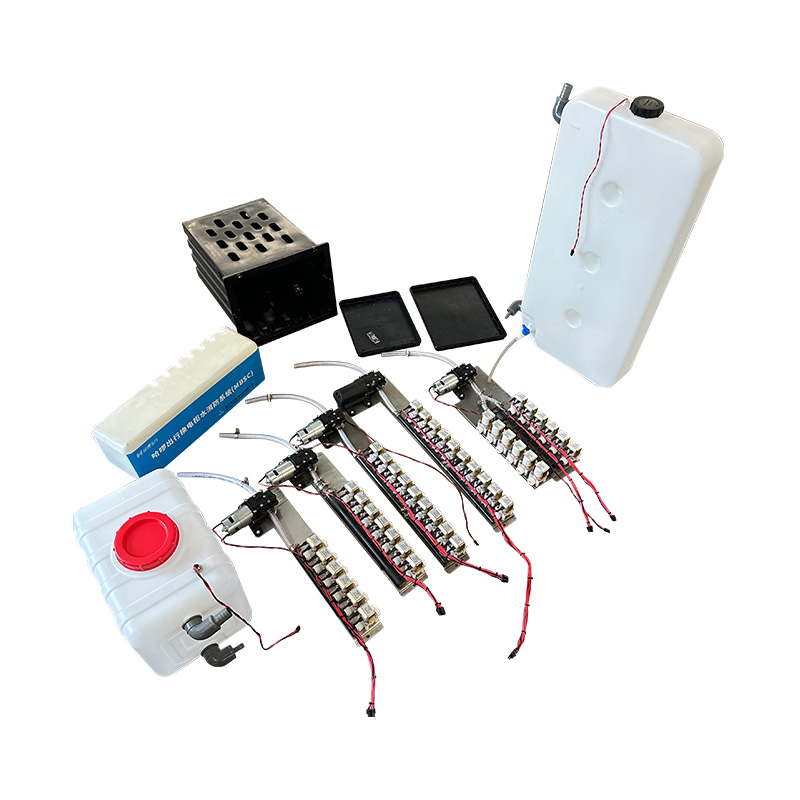
Water has long been recognized as one of the good effective extinguishing agents, particularly in electrical fires. The Electricity Exchange Cabinet Water Fire Fighting system utilizes water-based suppression technology to fight fires caused by electrical faults, overheating, or short circuits. Water helps cool the fire and surrounding equipment, reducing the risk of further damage. By effectively targeting the fire’s heat source, water also prevents the fire from spreading to other parts of the cabinet or facility.
In these systems, water is distributed through a network of pipes, nozzles, and sprinklers located inside or around the cabinet. The water is automatically activated when the temperature reaches a specific threshold, ensuring that the fire is suppressed without delay. The ability to use water in an electricity exchange cabinet is a critical advancement in fire protection technology, particularly when compared to traditional methods like CO2 or dry chemical suppression, which can cause additional damage to electrical equipment.
The Electricity Exchange Cabinet Water Fire Fighting system operates through a set of automatic triggers designed to detect fire hazards. When a fire occurs, the system’s temperature sensors detect the heat and activate the water suppression mechanism. The system releases water directly onto the fire, cooling both the fire and the surrounding components.
This automatic response is key to reducing the potential damage to the electrical components within the cabinet. By addressing the fire promptly, the system minimizes the chances of electrical failures or explosions that could disrupt operations or pose further hazards. The quick suppression of fires helps limit downtime in facilities, ensuring that operations can resume quickly after an incident.
One of the key benefits of using a water-based system for fire suppression is its efficiency in cooling down the temperature and preventing the fire from spreading. In comparison to other suppression systems, water is often more accessible, cost-effective, and environmentally friendly. Water is a natural cooling agent and can be replenished easily, making it an ideal choice for long-term protection.
Additionally, water-based systems are effective at addressing a wide range of fire scenarios, including those common in electrical equipment. These systems not only target the immediate fire but also cool down electrical components, which are often the root cause of the fire. This helps to prevent re-ignition and further damage, improving the overall resilience of the electricity exchange cabinet.
Maintaining the Electricity Exchange Cabinet Water Fire Fighting system is crucial for ensuring its functionality when needed. Regular inspections should be performed to check for any clogs in the pipes, blockages in the nozzles, or issues with the sensors. Additionally, the water supply needs to be regularly tested to confirm that it is accessible and operational.
Routine maintenance also includes checking the activation mechanism to make sure that the system will respond promptly in case of a fire. By keeping the system well-maintained, facilities can avoid costly downtime or equipment failures caused by neglected fire protection systems.
The Electricity Exchange Cabinet Water Fire Fighting system is an essential safety measure for protecting electrical equipment in substations, industrial facilities, and other settings where high-voltage systems are present.
RECOMMENDED PRODUCTS

product center
Contact Info
+86-576-88024290
txm@zhejianghaiwei.com
No. 515, Jiutang South Road, TaizhouBay New District, Taizhou, Zhejiang, China.

Vehicle Rubber Seals Factory