 中文简体
中文简体
 English
 русский
 Español
 日本語
日本語
 Deutsch
 Tiếng Việt

+86-576-88024290
Search
09 01, 2026
Press & Media
An Oil Pump-Carbon Fiber Plastic-Regulating Valve is a precision component used in modern engines to manage oil flow and pressure efficiently. It combines advanced carbon fiber reinforced plastic with precise valve mechanisms to provide durability, lightweight performance, and accurate regulation. Automotive, industrial, and machinery manufacturers rely on these valves to optimize lubrication systems, protect engines, and improve overall efficiency.
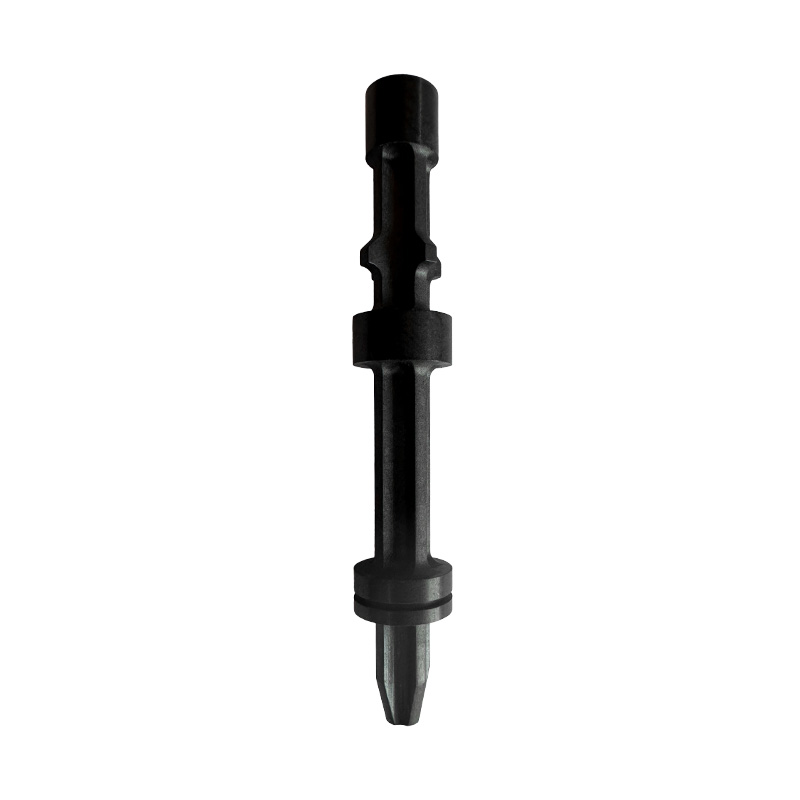
The use of carbon fiber reinforced plastic in an Oil Pump-Carbon Fiber Plastic-Regulating Valve offers multiple advantages. Carbon fiber adds high strength while maintaining lightweight characteristics, reducing the overall weight of the lubrication system. Plastic components improve resistance to corrosion, chemical exposure, and thermal stress. The combination ensures long-term reliability, even under high pressure and operating conditions.
Precision is critical in an Oil Pump-Carbon Fiber Plastic-Regulating Valve. Accurate internal tolerances and smooth valve surfaces allow for consistent oil flow and pressure control. CNC machining, injection molding, and advanced finishing techniques are used to produce valves that meet strict specifications. Proper engineering ensures minimal leakage, precise pressure adjustment, and extended service life.
Manufacturers often require specific configurations in an Oil Pump-Carbon Fiber Plastic-Regulating Valve to match engine models or industrial machinery. Customization options include varying valve sizes, flow rates, pressure thresholds, and surface treatments. Tailored designs optimize performance, improve efficiency, and meet the unique demands of automotive, industrial, or heavy machinery applications.
Using an Oil Pump-Carbon Fiber Plastic-Regulating Valve improves lubrication efficiency. Proper oil flow and pressure regulation reduce friction and wear, protect critical engine components, and enhance fuel efficiency. High-performance valves ensure that engines operate smoothly under different loads and temperatures, contributing to longer service intervals and improved reliability.
Manufacturing an Oil Pump-Carbon Fiber Plastic-Regulating Valve involves combining plastic molding and carbon fiber reinforcement with precision machining. Efficient production processes allow for both small batch prototypes and large-scale mass production. Streamlined workflows reduce costs, maintain quality, and ensure timely delivery to automotive and industrial clients worldwide.
Surface treatment in an Oil Pump-Carbon Fiber Plastic-Regulating Valve enhances both durability and performance. Treatments such as coating, polishing, or heat stabilization improve wear resistance, chemical resistance, and thermal stability. Well-finished valves reduce friction, prevent leakage, and maintain consistent oil pressure, ensuring long-term reliability in demanding operating environments.
Quality assurance is critical for Oil Pump-Carbon Fiber Plastic-Regulating Valve manufacturers. Each valve undergoes rigorous dimensional checks, pressure testing, and visual inspection to verify performance and durability. High-quality standards prevent malfunctions, reduce downtime, and provide confidence to automotive and industrial clients using these valves in critical systems.
Oil Pump-Carbon Fiber Plastic-Regulating Valve components are widely applied in automotive engines, industrial machinery, and specialized equipment. They manage oil flow in high-performance engines, protect components from overheating, and maintain consistent lubrication. Their lightweight, durable construction makes them suitable for both conventional engines and advanced machinery with stringent performance requirements.
Partnering with a reliable Oil Pump-Carbon Fiber Plastic-Regulating Valve supplier ensures long-term operational advantages. High-quality valves improve engine longevity, reduce maintenance, and optimize system efficiency. Customization, precision engineering, and durable materials contribute to reliable production, cost savings, and competitive advantages. Over time, these valves support smoother operation, higher efficiency, and performance in industrial and automotive applications.
RECOMMENDED PRODUCTS

product center
Contact Info
+86-576-88024290
txm@zhejianghaiwei.com
No. 515, Jiutang South Road, TaizhouBay New District, Taizhou, Zhejiang, China.

Vehicle Rubber Seals Factory