 中文简体
中文简体
 English
 русский
 Español
 日本語
日本語
 Deutsch
 Tiếng Việt

+86-576-88024290
Search
28 08, 2026
Industry Updates
An Engine Oil Filter Gasket has a small physical size, yet its condition matters wherever the filter meets the engine. A gasket needs to stay in contact with both surfaces while oil moves through the surrounding system. Heat, oil exposure, pressure, vibration, and repeated changes in operating conditions can gradually alter the material.
Choosing a suitable gasket material therefore involves more than asking whether a material can tolerate heat. Oil compatibility, flexibility, compression, surface contact, and installation conditions all have a place in the decision. A material that performs well in one location may behave differently when the surrounding conditions change.
High temperature also affects how sealing materials age. Repeated heating and cooling can make some materials harder or less flexible over time. Oil exposure may add another form of stress, especially where the gasket remains in contact with oil for long periods.
For manufacturers and maintenance teams, material selection has become closely connected with the actual working environment. High Pressure Oil Seals Suppliers may offer different material options for sealing applications, although selection still needs to match the conditions around the particular engine oil filter.
Heat can gradually change the physical condition of a gasket. Flexible material needs to maintain contact with the surrounding surfaces, while prolonged exposure to heat can affect its ability to compress and recover.
Repeated temperature changes can also contribute to aging. A gasket may heat up during engine operation and cool again after shutdown. Such changes occur again and again during normal use, placing gradual stress on the material.
Oil adds another consideration. A gasket sitting near an oil filter is not only exposed to heat. Contact with engine oil can influence the material at the same time, meaning heat resistance alone does not provide enough information when choosing a suitable option.
Several changes may appear as a gasket ages:
A suitable material needs to handle the conditions around its installation rather than one condition in isolation. Heat resistance matters in a hot engine area, although oil compatibility and flexibility also affect sealing performance.
Resistance to engine oil is particularly important. Some materials can change after prolonged contact with certain oils or additives. Swelling, hardening, or softening may alter the shape of a gasket and reduce the contact needed for sealing.
Flexibility also has practical value. A gasket normally needs to conform to the mating surfaces without losing its shape during installation. Excessive softness may create another set of problems, while material that becomes too hard may no longer follow small surface irregularities.
Compression behavior is another factor. Once installed, a gasket is pressed between two surfaces. Material needs to maintain suitable contact without becoming permanently distorted under the surrounding conditions.
A useful material check therefore considers:
No single material should be selected simply because it has a reputation for handling heat. Actual operating conditions provide a more useful basis for selection.
Different rubber materials are used for oil sealing applications, with each type offering a different balance of flexibility, oil resistance, and heat tolerance. General-purpose rubber may suit certain engine environments, while applications with greater thermal stress may call for a material designed to retain its properties under hotter conditions.
Heat-resistant rubber is often considered where temperature exposure is a major concern. Such materials are developed to remain useful when surrounding conditions place greater thermal stress on the seal.
Fluorinated rubber is another option for applications where both oil contact and heat exposure need attention. Its resistance to certain oils and elevated temperatures makes it suitable for selected sealing situations, although compatibility still needs to be checked against the actual operating environment.
Silicone-based materials may also be used in some sealing applications because of their ability to remain flexible across changing temperatures. Their suitability depends on the surrounding oil, pressure, surface condition, and installation requirements.
Rather than choosing a material from a general list, engineers and maintenance teams need to consider how the gasket will actually be used. A material that works well around one engine component may not provide the same result in another location.
| Material Type | Heat Consideration | Oil Contact | Common Application Consideration |
|---|---|---|---|
| General Purpose Rubber | Suitable for moderate conditions | Depends on oil type | General sealing applications |
| Heat Resistant Rubber | Designed for greater heat exposure | Suitable for selected oils | Areas with repeated heat exposure |
| Fluorinated Rubber | Suitable for demanding heat conditions | Good resistance to selected oils | Oil and heat related sealing |
| Silicone Based Material | Remains flexible across temperature changes | Depends on oil compatibility | Applications where flexibility matters |
An Engine Oil Filter Gasket remains close to oil during operation, so prolonged contact can influence the material even when its heat resistance appears suitable.
Different oils contain different combinations of base fluids and additives. Such differences can affect sealing materials in various ways. A gasket may swell, become softer, harden, or lose part of its original shape after extended exposure.
Material selection should therefore consider the oil used in the intended application. Looking only at the general label of a rubber material does not provide enough information about how it will behave after prolonged contact.
A practical assessment can include:
Heat and oil often act together rather than separately. A material that handles oil well at moderate conditions may behave differently when both oil exposure and repeated heating are present.
A gasket works through contact. Once installed, it needs enough compression to fill small surface irregularities and maintain a continuous sealing area around the filter connection.
Too little compression can leave gaps through which oil may escape. Excessive compression can permanently deform the material, making later sealing less reliable. Heat can add another layer of change by affecting the material's flexibility and ability to recover after compression.
Mounting surfaces also influence the result. Dirt, scratches, old gasket residue, or surface damage can interfere with proper contact. Even a suitable gasket material may not seal properly when installed against an unsuitable surface.
For that reason, material choice and installation should be treated as connected tasks. A gasket is only one part of the sealing arrangement, while surface condition and mounting practice determine how well that material can perform.
Before installation, checking the contact area for contamination or damage can prevent problems that might otherwise be mistaken for material failure.
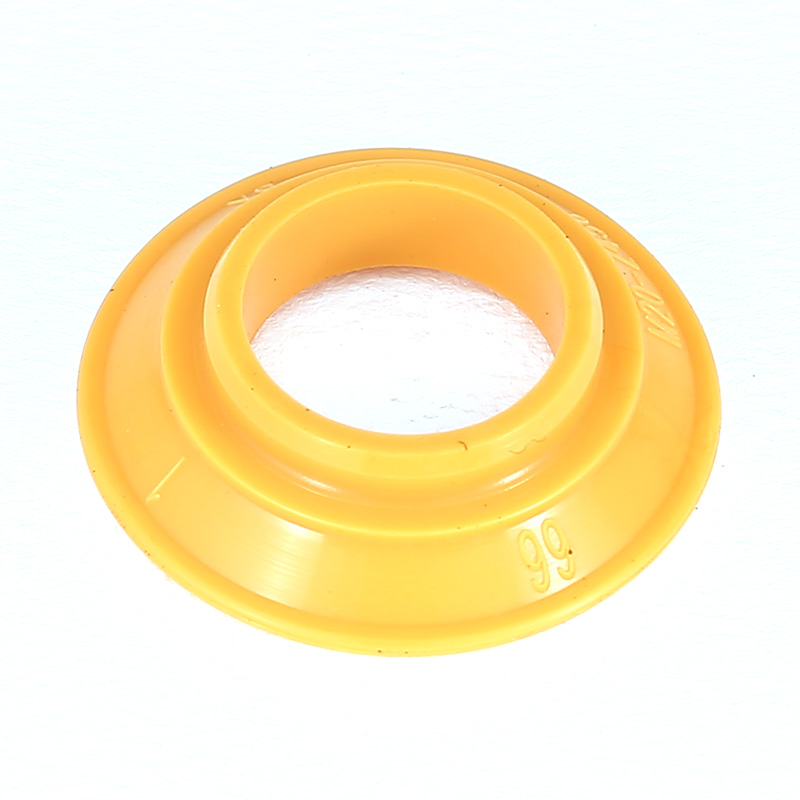
A gasket made from an unsuitable material may look normal when it is installed, while changes appear gradually during use. Heat and oil can alter its shape or flexibility, making it harder for the sealing surface to stay in close contact with the filter and mounting area.
Hardening is one possible change. Once a gasket loses enough flexibility, it may no longer follow small surface irregularities around the connection. Small gaps can then appear as the surrounding material changes during engine operation.
Softening or swelling can create a different problem. A gasket that absorbs oil or reacts poorly to its surroundings may change shape, making installation and sealing less predictable. In some cases, the material can become sticky or remain deformed after removal.
Possible warning signs include:
A leak does not always mean the material itself is unsuitable. Installation pressure, surface cleanliness, mounting position, and filter condition can also contribute. Looking at the complete sealing area makes it easier to separate a material problem from an installation problem.
An oil filter does not always sit in the same position within an engine. Nearby components, airflow, heat sources, and the way oil moves through the system can create different conditions around the gasket.
A filter positioned close to a hot engine area may expose its gasket to greater thermal stress than a filter located farther away. Limited airflow can also allow heat to remain around the mounting area for longer.
Surrounding components deserve attention during material selection. A gasket may have suitable properties on its own, while the actual installation creates a harsher environment than expected.
A practical assessment can consider:
Environmental changes matter as well. An engine does not remain at one condition throughout its operation. Heat rises and falls, oil conditions change, and the gasket repeatedly moves through small changes in compression and temperature.
For that reason, material selection should reflect the full operating environment rather than a single condition measured during installation.
High Pressure Oil Seals Suppliers can provide different sealing materials for applications involving oil, heat, and pressure. Their role can extend beyond supplying a particular shape, especially when a sealing part needs to match a specific working environment.
Clear information about the application helps narrow material choices. Oil type, heat exposure, pressure around the seal, mounting arrangement, and expected service conditions can all influence the suitability of a material.
A general material recommendation may not tell the full story. A gasket used around an engine oil filter has its own combination of heat, oil contact, compression, and installation conditions. Supplier discussions are therefore more useful when they focus on the actual application rather than a material name alone.
Useful points to discuss include:
Such information can help connect material selection with practical use. It also reduces the chance of choosing a gasket simply because its general material description sounds suitable for hot conditions.
Replacing an oil filter provides a convenient opportunity to inspect the old gasket. Removing the filter carefully allows the sealing surface to be checked for cracking, flattening, swelling, hardening, or other changes.
A clean mounting area is equally important. Old gasket residue can remain attached to the housing and prevent a replacement gasket from sitting evenly. Dirt or damaged surface areas may create a leak even when the new gasket is in good condition.
During inspection, attention can be given to:
Gasket condition
Check for cracks, deformation, hardening, or unusual softness.
Mounting surface
Look for dirt, scratches, old residue, or visible damage.
Seating position
Make sure the gasket sits evenly and has not twisted or moved out of its intended position.
Surrounding area
Look for fresh oil marks that may indicate a previous sealing problem.
A gasket that has become noticeably flattened or damaged should not simply be reused. Sealing material can lose its original shape after compression and heat exposure, making reuse less predictable.
Material selection cannot compensate for poor installation. A gasket needs a clean contact area and suitable placement before the filter is secured.
Twisting during installation can create uneven contact around the sealing edge. Dirt trapped underneath can produce a small gap, while excessive tightening may compress the gasket beyond its intended condition.
Careful installation usually involves a few simple steps:
Clean the mating surfaces.
Handling also matters. Pulling, stretching, or forcing a gasket into a tight space can damage its shape before the engine even starts.
Choosing a gasket material for a hot engine environment involves several conditions at once. Heat resistance matters, although oil compatibility, flexibility, compression behavior, and aging also need attention.
A useful way to approach the decision is to start with the actual working environment. Ask where the filter is located, what oil contacts the gasket, how the surrounding heat affects the mounting area, and what kind of compression the gasket will experience.
From there, material options can be compared according to practical requirements rather than general claims. A flexible material may suit one application, while another location may require greater resistance to oil or heat-related changes.
Long-term sealing also depends on maintenance. Even a suitable material can develop problems when the mounting surface is dirty, installation is uneven, or an aging gasket remains in use after its condition has changed.
Material choice and maintenance therefore work together. Checking the gasket during filter service, keeping contact surfaces clean, and paying attention to changes in shape or flexibility can help identify problems before oil leakage becomes more noticeable.
For manufacturers, maintenance teams, and sealing component suppliers, the useful question is not simply which material handles heat. A better question is whether the material can continue to maintain suitable contact while dealing with heat, oil, compression, movement, and the actual conditions around the engine oil filter.
RECOMMENDED PRODUCTS

product center
Contact Info
+86-576-88024290
txm@zhejianghaiwei.com
No. 515, Jiutang South Road, TaizhouBay New District, Taizhou, Zhejiang, China.

Vehicle Rubber Seals Factory