 中文简体
中文简体
 English
 русский
 Español
 日本語
日本語
 Deutsch
 Tiếng Việt

+86-576-88024290
Search
21 08, 2026
Industry Updates
Installation sets the initial position of a seal, so even a small error can affect how pressure is distributed around the sealing surface. A seal that sits at an angle may have stronger contact on one side and weaker contact on another, creating uneven wear during operation.
Position is particularly important around a rotating shaft. The seal needs to remain correctly seated while the shaft passes through its contact area. Misalignment can cause one section to work harder than the rest, gradually changing the surface condition.
Installation tools also deserve attention. A sharp edge, rough tool, or excessive force can damage a sealing surface before the pump even starts operating. A small cut may not produce an immediate leak, yet repeated movement and contact can enlarge the affected area.
Before installation, several simple checks can help:
Forcing the seal into place can create deformation or damage that is difficult to identify after assembly. When resistance seems unusual during installation, checking the dimensions and surrounding parts is more useful than increasing pressure.
Installation also includes the condition of the components around the seal. A clean seal placed against a contaminated or damaged surface may still develop a leak soon after operation.
The shaft is one of the surfaces that directly influences seal behavior. As the shaft rotates, its contact with the seal creates continuous movement. Any abnormal condition on that surface can affect how evenly the seal remains in contact.
Scratches, rough areas, corrosion, or uneven wear can interrupt the smooth contact needed for sealing. A damaged area may repeatedly pass through the same section of the seal, creating concentrated wear over time.
Shaft movement also matters. A shaft that does not remain stable during rotation can place changing pressure on the seal. Instead of maintaining an even contact pattern, one side may experience greater movement or friction.
For that reason, replacing a leaking seal without inspecting the shaft may not resolve a recurring problem. A new seal placed against the same damaged surface can experience similar wear.
| Inspection Area | What to Look For | Why It Matters |
|---|---|---|
| Shaft Surface | Scratches or rough areas | May increase seal wear |
| Contact Area | Uneven marks | Can indicate uneven pressure |
| Shaft Movement | Unstable or irregular movement | May disturb sealing contact |
| Seal Surface | Local wear or damage | May indicate contact problems |
| Installation Seat | Dirt or residue | Can affect seal position |
Surface condition should be considered together with the movement of the shaft. A smooth‑looking shaft does not necessarily rule out an alignment issue, while a visible mark does not automatically explain every leak.
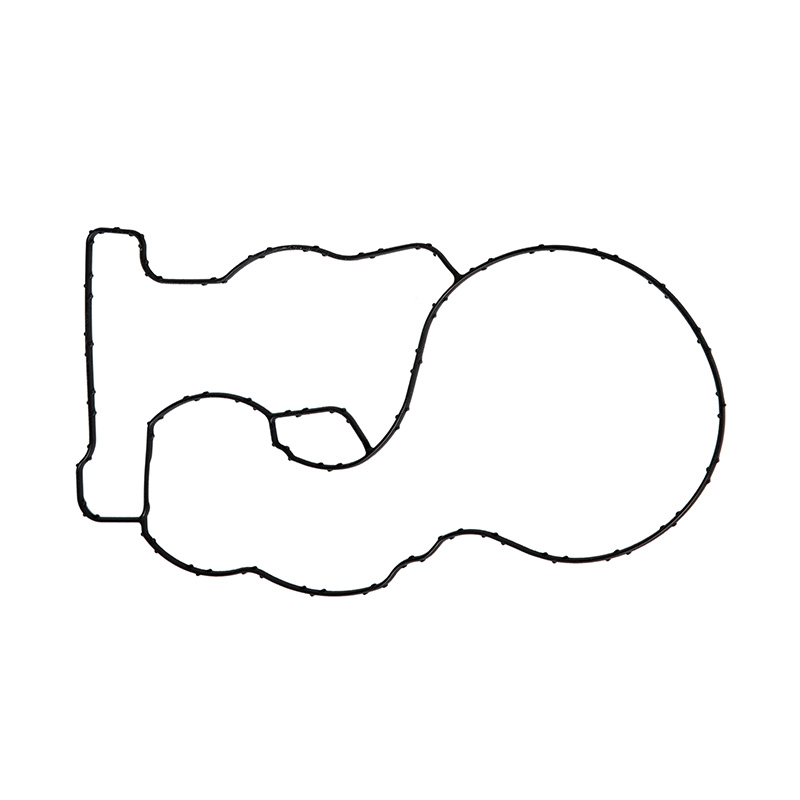
Cooling liquid is another important part of the sealing environment. A water pump seal remains exposed to the coolant for long periods, so the liquid needs to be compatible with the sealing material and the surrounding components.
Contaminated coolant can carry particles into areas where the seal and shaft meet. Fine debris may gradually affect the contact surface, while deposits can collect around narrow spaces.
Liquid condition can also change through maintenance practices. Mixing unsuitable fluids or allowing contamination into the cooling system may alter how the sealing material behaves.
A seal designed for one operating environment should not automatically be assumed suitable for every coolant condition. Material compatibility depends on the actual fluid, temperature, and mechanical conditions involved.
When early leakage occurs, checking the cooling liquid can provide useful information:
Clean coolant does not remove every possible cause of seal failure, yet an unsuitable fluid environment can place additional stress on the sealing material and contact surfaces.
Temperature changes are part of normal engine operation. A water pump seal experiences repeated movement between different temperature conditions, and sealing materials need to maintain their intended shape and flexibility as conditions change.
Repeated heating and cooling can affect the physical behavior of a sealing material. A material that becomes too hard, too soft, or less flexible may no longer maintain the same contact with the shaft.
Temperature can also affect nearby components. Metal parts expand and contract as their temperature changes, so the relationship between the seal, shaft, and surrounding structure can shift during operation.
A temperature‑related issue may not be visible immediately after the vehicle is parked. A seal may appear normal when cold while behaving differently after the system reaches its operating condition.
For diagnosis, it can therefore be useful to consider when leakage appears. Leakage that becomes noticeable only after operation may require attention to temperature‑related changes alongside other possible causes.
Material selection should match the actual environment rather than relying only on general appearance or size. A Water Pump Seal Supplier needs to consider the conditions in which the seal will operate when selecting and preparing sealing materials.
Water pump operation creates movement and liquid pressure around the sealing area. When the cooling system operates normally, the seal needs to maintain contact while the shaft rotates. Changes in operating conditions can alter the load placed on that contact.
Unusual pressure may increase stress around the sealing area. Air within the cooling system, restricted liquid movement, or another cooling‑system problem can also change normal operating conditions.
Pump condition matters as well. A shaft that moves irregularly can create uneven contact, while a problem elsewhere in the pump may place additional movement against the seal.
For that reason, a leaking seal can sometimes be a symptom rather than the original cause. Replacing the sealing component without checking pump operation may help to another leak later.
A practical diagnosis can follow a simple path:
Leak Location → Seal Condition → Shaft Surface → Coolant Condition → Pump Movement
Moving through the system step by step makes it easier to separate a seal‑specific issue from a wider cooling‑system problem.
Material selection has a direct connection with how Automotive Water Pump Seals behave during service. A sealing material needs to remain stable while facing coolant, heat, repeated movement, and contact with nearby components. A material that does not match the working environment may change in shape, flexibility, or surface condition over time.
Material problems are not always easy to identify by looking at a failed seal. A worn edge, hardened surface, or changed shape can have several possible causes. Temperature, fluid compatibility, installation pressure, and operating conditions should be considered together.
For example, a seal exposed to an unsuitable liquid may gradually change its physical condition. Repeated heating and cooling can create another source of stress, while mechanical contact may accelerate wear once the surface has already changed.
When investigating early failure, several material‑related questions are useful:
Storage also deserves attention. Sealing materials can be affected by heat, moisture, light, contamination, or unsuitable handling. A component that appears normal before installation may already have changed when stored under poor conditions for an extended period.
For a Water Pump Seal Supplier, material selection should therefore be based on the actual application rather than a general description of the part. Information about coolant conditions, operating temperature, shaft movement, and installation structure can help connect material choice with real service requirements.
A supplier's role goes beyond producing a sealing component with a particular shape. Material consistency, dimensional accuracy, surface condition, packaging, and storage can all affect how a seal performs after installation.
Material control is one area that deserves attention. A sealing component needs a stable material condition so that its physical behavior remains consistent during processing and later use. Changes in material properties can affect flexibility and contact with the shaft.
Shape and dimensions also matter. A seal that does not match its intended installation position may develop uneven contact. Small differences in shape can become more noticeable once the component is installed against a moving part.
Surface inspection can help identify problems before the component reaches assembly. Damaged edges, contamination, deformation, or irregular surfaces should be checked rather than left for the installation stage to reveal.
Packaging and storage also form part of the supply process. Seals should be protected from conditions that may affect their material before use. Clean handling reduces the chance of unwanted particles reaching the sealing surface.
Communication between the vehicle component manufacturer and the Water Pump Seal Supplier can also help with material selection. Useful information may include:
A supplier that understands the actual application can make material and production decisions with the working environment in mind. Such coordination does not remove every possible failure cause, yet it can reduce uncertainty during component selection.
Good installation and routine inspection can reduce problems caused by avoidable handling errors. A sealing component may be small, yet the surrounding conditions determine how well it performs after assembly.
Maintenance also needs to consider the pump itself. A seal may continue to fail when the actual cause comes from shaft movement, surrounding wear, or another mechanical condition.
When Automotive Water Pump Seals fail earlier than expected, replacing the part immediately may solve the leak for a short period while leaving the original cause untouched. A more useful approach is to trace the failure from the visible symptom back through the surrounding conditions.
A practical sequence can begin with the leakage location.
Leakage Location
Identify where coolant appears. Leakage around the shaft area can direct attention toward the seal and shaft contact, while another location may point toward a different connection.
Seal Condition
Look at the sealing surface, edges, and shape. Cuts, deformation, hardening, or uneven wear can provide clues.
Shaft Condition
Inspect the surface that contacts the seal. Scratches, deposits, or unusual movement may explain repeated damage.
Coolant Environment
Check the condition and compatibility of the cooling liquid. Contamination or an unsuitable fluid can affect the sealing material.
Installation Process
Review how the component was positioned and whether unusual force was required during assembly.
Temperature and Pump Operation
Consider whether leakage appears under particular operating conditions and whether the shaft moves normally.
| Failure Clue | Area to Check | Possible Direction |
|---|---|---|
| Leakage near shaft | Seal and shaft | Contact or surface condition |
| Uneven seal wear | Installation and alignment | Uneven pressure |
| Damaged sealing edge | Installation area | Handling or fitting issue |
| Surface deposits | Coolant system | Contamination |
| Repeated leakage after replacement | Pump assembly | Underlying mechanical condition |
Following such a sequence helps avoid treating every leak as a simple replacement issue. One failed component may provide evidence about another part of the system.
For Automotive Water Pump Seals, early failure can involve several connected conditions rather than one isolated fault. Installation affects the initial position, shaft condition influences contact, coolant affects the surrounding environment, temperature changes alter material behavior, and pump operation can influence mechanical wear. A Water Pump Seal Supplier also has a role in material selection, dimensional consistency, surface condition, and handling before installation.
Looking at those factors together gives maintenance teams a clearer path when a seal begins to leak earlier than expected.
RECOMMENDED PRODUCTS

product center
Contact Info
+86-576-88024290
txm@zhejianghaiwei.com
No. 515, Jiutang South Road, TaizhouBay New District, Taizhou, Zhejiang, China.

Vehicle Rubber Seals Factory