 中文简体
中文简体
 English
 русский
 Español
 日本語
日本語
 Deutsch
 Tiếng Việt

+86-576-88024290
Search
12 06, 2026
Industry Updates
Oil Filter Anti Drain Valve sits inside an oil filter and controls whether oil stays inside the filter after the engine shuts down. In normal driving cycles, oil keeps circulating while the engine runs. Once the engine stops, gravity and internal pressure changes may cause oil to flow backward. Without a working valve, oil slowly leaves the filter housing and moves away from the lubrication path.
Next engine start often feels different when that oil is missing at the beginning. Lubrication takes a short moment to rebuild inside the system, and moving parts may not receive oil immediately. The valve helps reduce that empty gap by holding oil inside the filter body.
Material selection becomes important here because the valve depends on flexible contact rather than rigid sealing. Rubber behavior, surface response, and long-term shape stability decide how well it keeps contact after many heating and cooling cycles.
Inside the same oil system, Engine Oil Filter Gasket works around the outer edge of the filter. While the valve controls internal oil movement, gasket keeps the connection between filter and engine body sealed. Both parts influence how stable oil pressure stays during different engine states.
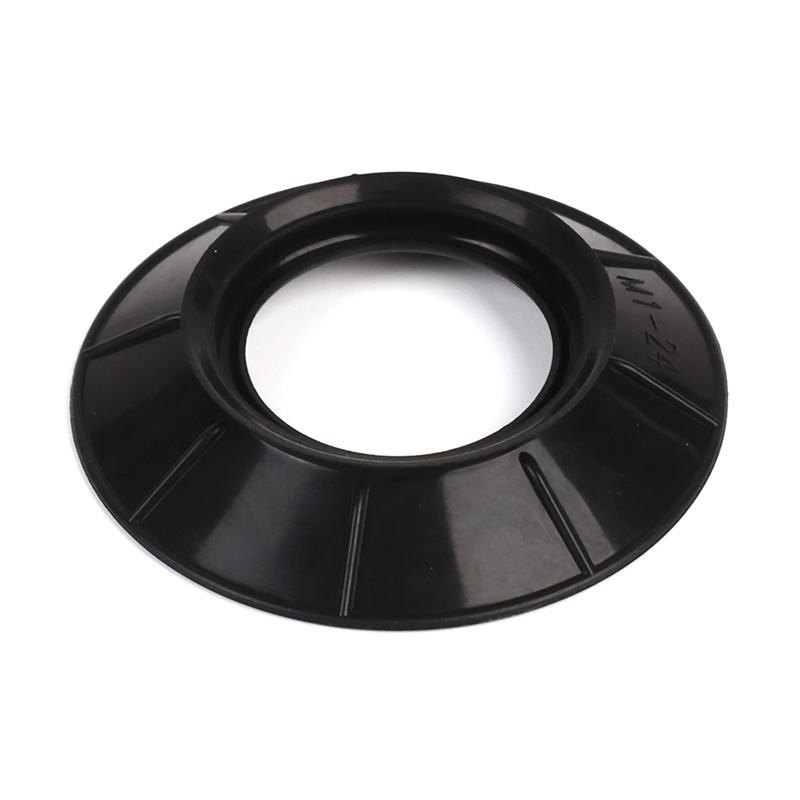
Oil flow inside a filter follows a pressure-driven path. When engine runs, oil enters under pressure, passes through filtration media, and continues toward lubrication channels. During this stage, the anti drain valve opens slightly, allowing smooth movement without restriction.
When engine stops, pressure disappears quickly. That change triggers the valve to close. The closing action blocks oil from flowing backward into the engine block or oil pan area. Oil remains inside filter housing instead of draining out.
Movement is small, yet timing is sensitive. A slight delay in closing may allow partial backflow. A stiff material may reduce opening response during flow start. Balance between flexibility and return strength becomes a key factor in material choice.
Typical working sequence can be described in a simple flow:
Engine Oil Filter Gasket supports this system from outside. It keeps sealing pressure between filter and engine surface so oil does not escape through connection points during either running or rest condition.
Inside real engine environments, the valve never works in a stable condition. Temperature changes, oil chemistry, and repeated pressure cycles all influence material behavior over time.
Heat comes from continuous engine operation. Oil temperature rises inside the filter housing, then cools when the engine stops. That repeated expansion and contraction slowly changes how flexible sealing materials behave. Some materials soften slightly, others become less responsive.
Oil composition also matters. Modern lubrication oil contains additives that improve performance, yet long exposure may affect rubber surface behavior. Some materials maintain structure, while others slowly lose elasticity or become harder over time.
Mechanical cycling adds another layer of stress. Even though valve movement is small, it repeats every engine start and stop cycle. Small deformation builds gradually and may influence sealing contact.
Main conditions affecting performance include:
Engine Oil Filter Gasket experiences similar conditions at the sealing edge, especially where pressure remains constant during operation and then drops after shutdown.
Rubber materials are widely used in Oil Filter Anti Drain Valve design because flexibility directly supports sealing behavior. Different rubber types respond differently to heat, oil exposure, and long-term compression.
Nitrile rubber is often used in general oil environments. It offers stable basic flexibility and works in standard engine conditions where temperature range stays moderate. Silicone-based rubber behaves differently, keeping flexibility even when temperature changes occur more frequently.
Fluoroelastomer materials appear in systems where chemical stability is more important. Oil additives and long-term exposure can gradually affect weaker rubber types, while fluoroelastomer maintains structure under extended contact conditions.
| Material Type | Flexibility Behavior | Oil Contact Response | Heat Influence | Typical Application |
|---|---|---|---|---|
| Nitrile rubber | Moderate elasticity | Stable in normal oil | Medium range stability | General valve sealing |
| Silicone rubber | High flexibility | Stable surface contact | Adapts to variation | Temperature change systems |
| Fluoroelastomer | Controlled flexibility | Strong resistance | Stable under heat exposure | Long service oil systems |
Plastic materials in Oil Filter Anti Drain Valve systems are usually not responsible for sealing. Their role is more about structure support, positioning, and guiding movement of flexible sealing parts.
Thermoplastic components hold shape under moderate heat and help maintain alignment inside filter housing. During operation, oil pressure pushes against internal structures, and stable plastic parts prevent deformation that could affect valve movement.
Compatibility with Engine Oil Filter Gasket becomes important during assembly. Both components must align correctly inside the filter housing so pressure distribution remains even. Misalignment may reduce sealing efficiency even when materials themselves perform normally.
Typical functional roles include:
Plastic elements help maintain internal geometry so valve movement stays predictable during repeated engine cycles.
Composite materials appear in Oil Filter Anti Drain Valve structures when a single material cannot keep balance between flexibility and shape stability. Inside engine operation, pressure changes repeat again and again, and simple soft rubber may deform slowly over time. Composite design tries to slow that change by combining layers with different behavior.
A common structure places a flexible rubber layer in contact with oil flow, while a supporting layer controls deformation behind it. The rubber side handles sealing, the supporting side keeps shape from spreading under pressure. Movement stays smoother when both functions work together instead of relying on one material alone.
Engine Oil Filter Gasket often shares the same working environment, so compatibility between gasket compression and valve flexibility becomes important. When both parts respond differently under pressure, uneven sealing may appear inside filter housing. Composite structures help reduce that imbalance.
Main behavior points include:
Oil retention inside filter housing depends on how well valve material responds to pressure drop after engine shutdown. When material keeps proper elasticity, sealing surface closes without delay and oil stays inside filter chamber.
If material becomes too stiff, closing motion slows down and small gaps may appear. Oil begins to move backward slowly through those gaps. Over time, that condition affects how quickly lubrication returns during next engine start.
Surface texture also plays a role. Smooth sealing contact helps reduce micro-leak paths, while rough or uneven surfaces may allow slow oil escape even when valve is closed.
Engine Oil Filter Gasket supports this condition from outer sealing area. When gasket compression stays stable, internal valve function becomes more effective because pressure balance inside the filter housing remains controlled.
Key influence factors:
Material mismatch often shows itself after repeated engine cycles rather than during initial use. Early stages may look normal, then changes appear gradually as heat and oil exposure continue.
One common issue is hardening of rubber material. When elasticity drops, valve closing becomes less responsive. Oil may not stay fully inside filter after shutdown.
Cracking can also appear under combined stress from heat and pressure. Small surface cracks reduce sealing contact and allow slow leakage paths.
In some cases, deformation changes the shape of valve seat contact area. Once shape no longer matches housing surface, sealing pressure becomes uneven.
Typical failure behaviors include:
Inside oil filter assembly, valve and gasket do not operate separately. Both parts share pressure control duties at different locations. Valve stays inside filter core area, gasket sits at connection interface between filter and engine block.
During engine operation, oil flows through filter while gasket maintains outer sealing pressure. At shutdown, valve closes to hold oil inside, while gasket prevents external leakage from mounting surface.
Coordination between both parts affects how stable oil pressure remains during transition from running to rest condition. When either side loses sealing ability, overall system balance changes.
A simple interaction pattern can be described as:
Engine Oil Filter Gasket and valve work together to reduce empty space inside lubrication path when engine restarts.
Material direction in valve systems gradually moves toward more stable long-term elasticity. Instead of focusing only on initial sealing feel, attention shifts toward how material behaves after repeated heat and pressure cycles.
Blended rubber structures appear more often. Instead of single material composition, different elastomer behaviors are combined to balance softness and recovery strength.
Another direction involves improving resistance to oil additives. Modern engine oil contains complex chemical elements, and long exposure may change surface properties of weaker materials. Newer material combinations aim to reduce that influence.
Surface treatment on contact zones also becomes more common. Instead of changing full material, only sealing interface receives modification to reduce wear and improve contact consistency.
Main development directions include:

product center
Contact Info
+86-576-88024290
txm@zhejianghaiwei.com
No. 515, Jiutang South Road, TaizhouBay New District, Taizhou, Zhejiang, China.

Vehicle Rubber Seals Factory