 中文简体
中文简体
 English
 русский
 Español
 日本語
日本語
 Deutsch
 Tiếng Việt

+86-576-88024290
Search
19 06, 2026
Industry Updates
Cooling systems in vehicles work quietly in the background, yet their stability depends on several small components working under constant stress. Among them, Automotive Water Pump Seals sit in a position that is easy to overlook, while the role becomes clear once fluid circulation and rotation begin working together inside a closed space.
A water pump keeps coolant moving through channels that carry heat away from high-temperature areas. Inside that process, a rotating shaft passes through a housing filled with liquid. Without a stable sealing structure around that shaft, fluid would slowly escape into areas where it should not be, and the balance of the system would change.
Water Pump Seal Supplier activity is often placed earlier in the chain, long before the pump is assembled into a full cooling system. Their focus is not only on shape or size, since sealing behavior depends on how the part will interact with rotation, pressure, and heat at the same time.
Inside a cooling loop, fluid does not stay still. It moves through channels, passes through heat exchange areas, and returns again to continue the cycle. The pump keeps that movement active, while sealing elements protect the boundary where mechanical motion meets liquid flow.
Automotive Water Pump Seals are installed at the interface between a rotating shaft and a stationary housing. That position carries two different conditions at once. One side rotates continuously, while the other side remains fixed and filled with coolant.
This creates a working environment where small changes in alignment or pressure can influence the overall stability of the system.
Typical roles of the sealing structure include:
Thermal resistance conditions add another layer of complexity. Temperature inside the system does not remain steady. It rises and falls depending on operating load, driving conditions, and cooling demand. Each change influences how materials expand, contract, and maintain contact with surrounding surfaces.
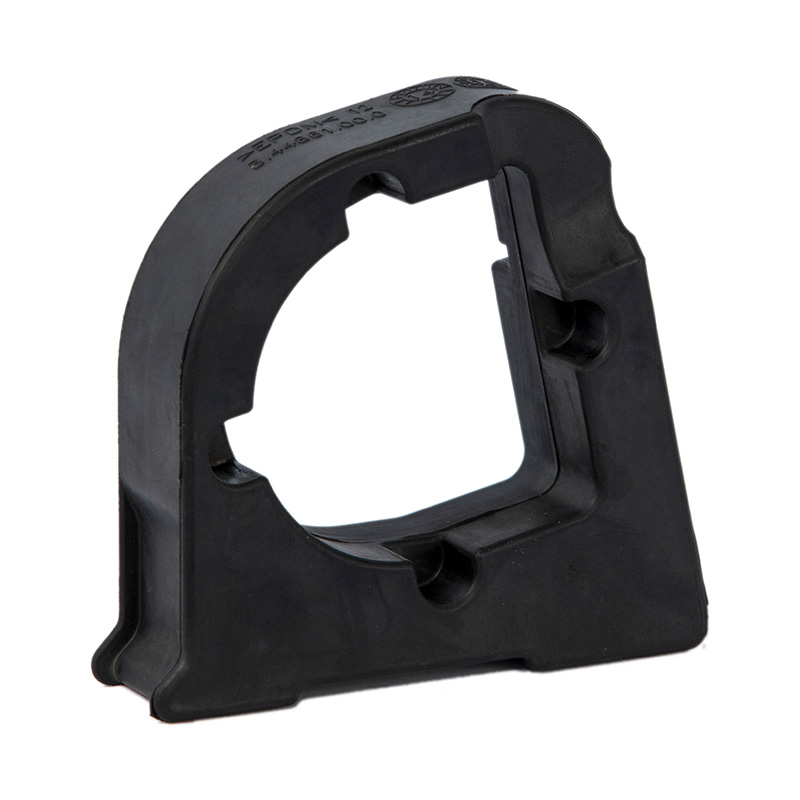
A sealing component in a water pump is not only a barrier. It also participates in managing movement between mechanical rotation and fluid pressure.
During operation, several functions appear together rather than separately.
Fluid Containment
Coolant remains inside the intended path without leaking into the shaft area or external housing.
Pressure Stability
The pump keeps internal pressure within a balanced range so circulation remains steady.
Friction Control
Contact between sealing surfaces and rotating parts is kept within a controlled level to avoid excessive wear.
Interface Protection
The junction between moving and fixed components is protected from direct fluid disturbance.
Each of these functions depends on the same small contact zone. When that zone changes slightly, more than one function can be affected at the same time.
Thermal resistance systems do not operate under fixed temperature. Instead, conditions shift continuously during operation, especially around areas close to heat sources and cooling channels.
For Automotive Water Pump Seals, that changing environment creates constant adjustment pressure.
Several conditions often appear together:
When temperature rises, surrounding parts expand slightly. When temperature drops, contraction occurs. Over repeated cycles, these movements can slowly influence how tightly sealing surfaces stay in contact.
The effect is not always immediate. Instead, small changes accumulate across many cycles, gradually influencing sealing behavior and contact stability.
Inside a running pump, sealing components remain in continuous interaction with both rotation and temperature variation. The shaft never stops moving during operation, while thermal conditions shift in the background.
The sealing area responds in several ways:
Even though these movements are small, they help maintain contact between surfaces under changing conditions. Without that adjustment ability, sealing performance would become unstable when temperature or pressure changes occur.
Vibration from surrounding mechanical structures also adds to the load. Combined with rotation and heat, the sealing zone operates under a mixed condition that requires steady structural balance rather than rigid positioning.
Seal performance depends heavily on how the component is designed in relation to the pump structure. Geometry, alignment, and surface interaction all play a role in how the seal behaves during operation.
Key design considerations include:
Contact Surface Shape
The shape of the sealing interface affects how pressure spreads across the contact area.
Shaft Alignment
Even small shifts in alignment can change friction levels and contact stability.
Pressure Balance
Balanced pressure reduces stress concentration around the sealing zone.
Surface Compatibility
Material pairing between rotating and static parts influences wear behavior over time.
| Design Factor | Influence on Operation |
|---|---|
| Contact shape | Controls pressure spread across interface |
| Alignment | Affects friction consistency |
| Pressure balance | Reduces localized stress points |
| Surface compatibility | Influences wear development |
Each factor connects directly to how stable the sealing behavior remains during thermal resistance conditions.
Water Pump Seal Supplier involvement is usually linked with the transition from design requirement to practical application. The work does not stop at producing a physical component. It often extends into matching sealing behavior with different pump structures and operating conditions.
Common areas of connection include:
In many cases, sealing components are not evaluated alone. Their performance is viewed in relation to the pump system they are placed into. That connection helps ensure the sealing function remains stable across different operating situations.
Wear in sealing systems does not appear in a single form. Instead, it develops through different interaction patterns between motion, pressure, and temperature.
Common wear types include:
Each type develops slowly, often starting from small surface changes that are not immediately visible. As operation continues, these small changes may grow and influence sealing stability.
The sealing zone therefore remains an area that requires steady attention throughout its working life, especially in systems where temperature variation and continuous motion occur together.
The surrounding cooling system has a direct effect on how sealing components behave. Flow direction, pressure distribution, and pump operation all influence the environment around Automotive Water Pump Seals.
Several system-level influences can be observed:
When flow remains smooth, sealing components tend to operate under more stable conditions. When resistance varies across the system, pressure differences may increase, creating additional load on the sealing interface.
Durability therefore depends not only on the seal itself, but also on how the entire cooling structure behaves during operation.
A sealing component in a water pump does not work in a calm environment. It stays in contact with moving parts, warm coolant, and repeated pressure changes. Because of that, material behavior becomes a quiet but important factor in overall performance.
Different materials respond differently when exposed to heat and motion. Some remain stable under temperature change, while others adjust more easily to pressure variation. In many cases, a balance is needed rather than focusing on a single property.
Several points are usually considered:
A sealing surface that is too rigid may not adapt well to small shifts in alignment. A material that is too soft may wear faster under continuous shaft movement. The selection process often sits between these two conditions, aiming for steady contact behavior over time.
Even when the sealing part is well designed, installation quality still plays a large role in final performance. A small deviation during assembly can influence how the sealing surface touches the rotating shaft.
Inside a water pump, space is limited, and alignment matters more than it may appear from outside. When positioning is slightly off, contact pressure may not spread evenly across the sealing area.
Common installation-related factors include:
A properly placed seal usually allows smooth rotation with controlled contact. When positioning is not stable, friction may increase in certain areas.
In many systems, installation accuracy becomes part of the same chain as design and material choice, rather than a separate step.
Cooling systems often run for long periods without interruption, which means sealing components stay active for extended cycles. Over time, small changes in performance can appear, even when the system continues working.
Regular inspection helps identify early signs of change in sealing behavior. In practice, attention is usually given to visible and functional indicators rather than complex measurement.
Common points observed during maintenance include:
Maintenance work does not always involve immediate replacement. In many situations, it focuses on understanding whether sealing performance remains stable or begins to shift gradually.
When issues are detected early, system stability can often be maintained without wider impact on surrounding components.
Inside a cooling system, thermal resistance is not only about handling heat. It also involves maintaining stable circulation while temperature changes occur continuously.
Automotive Water Pump Seals support that balance by controlling how fluid moves and stays contained during operation. When sealing performance remains steady, coolant flow continues without interruption, allowing heat to move through the system as intended.
Their role can be described through several interactions:
Even small sealing variations can influence how smoothly heat is transferred through the system. A stable sealing interface helps keep circulation predictable, which indirectly supports overall thermal balance.
Water Pump Seal Supplier activity often sits between design planning and real application conditions. Instead of focusing only on producing a single form, attention is usually placed on matching sealing behavior with different system environments.
Different cooling systems may require different sealing responses. Some operate under steady conditions, while others experience frequent changes in load and temperature. Because of that, sealing components need to align with varying operational patterns.
Supplier-related considerations often include:
In many cases, sealing parts are evaluated as part of a system rather than on their own. Their performance becomes meaningful only when placed inside a working pump and exposed to real operating conditions.
As cooling systems become more compact and integrated, sealing components continue to face changing requirements. The space available inside pump structures is often limited, while functional expectations remain steady.
Several tendencies can be observed in sealing component development:
Instead of relying on large structural changes, many improvements come from small adjustments in contact design, surface behavior, and material response.
Automotive Water Pump Seals remain a quiet but necessary part of thermal resistance systems. Their function is not always visible during operation, yet their influence appears whenever fluid movement, heat transfer, and mechanical rotation work together in a single loop.
RECOMMENDED PRODUCTS

product center
Contact Info
+86-576-88024290
txm@zhejianghaiwei.com
No. 515, Jiutang South Road, TaizhouBay New District, Taizhou, Zhejiang, China.

Vehicle Rubber Seals Factory