 中文简体
中文简体
 English
 русский
 Español
 日本語
日本語
 Deutsch
 Tiếng Việt


+86-576-88024290
Search
10 07, 2026
Industry Updates
A sealing part may look small, yet its role in an engine is not small at all. Once oil begins moving through the lubrication path, every joint in that system has to stay closed enough to keep pressure steady and oil inside the intended route. When a weak point appears, oil can seep out, dust may enter, and nearby parts may start working under less stable conditions.
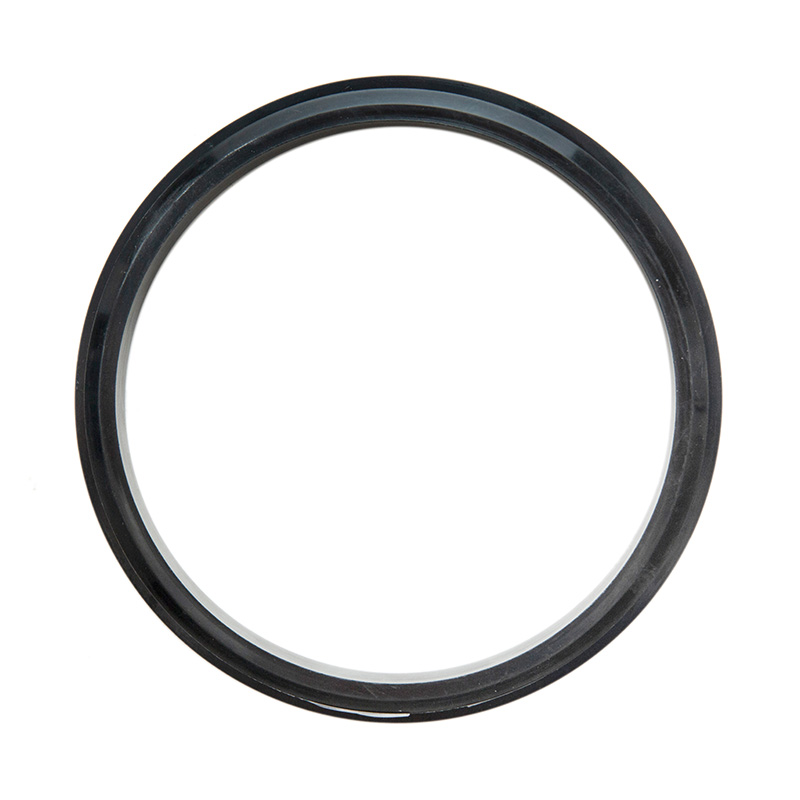
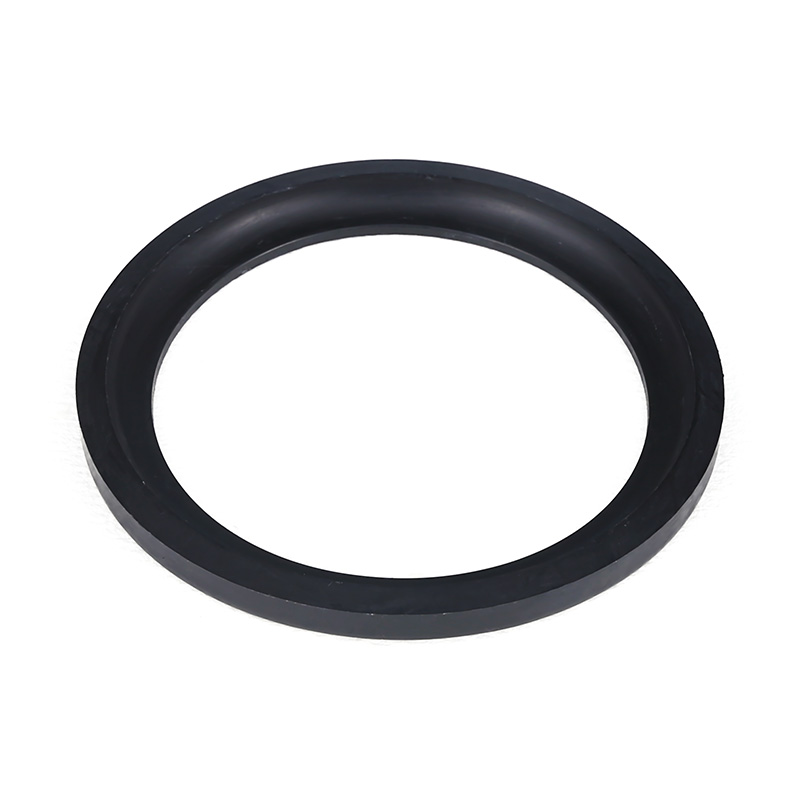
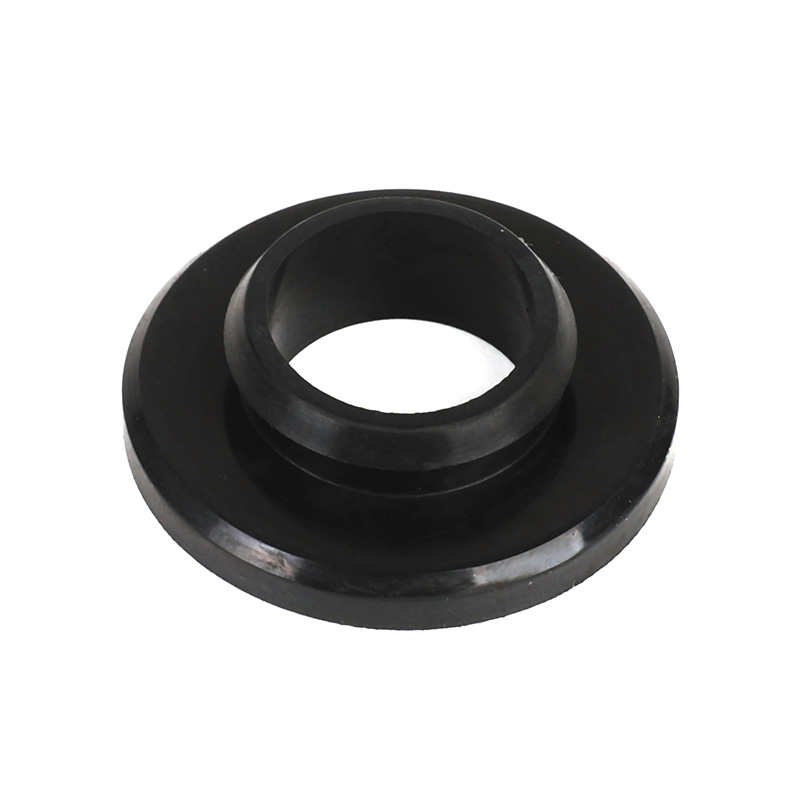
An Engine Oil Filter Gasket sits in one of those places where small details matter. Its job is simple in appearance, yet it has to deal with pressure, heat, vibration, and repeated changes in shape as the engine warms up and cools down. A gasket that fits well and stays in contact can help the filter connection remain stable through ordinary use. A gasket that does not match the surface or the working condition may begin to leak even when the rest of the system looks fine.
Choice matters because sealing reliability does not come from one single point. Material, surface condition, installation, and service environment all play a part. Similar ideas apply in other fluid systems as well, including Automotive Water Pump Seals, where contact pressure, wear resistance, and fit all influence how well the system keeps fluid inside.
A gasket is easy to overlook because it does not move in a visible way, yet it works every time the engine runs. Two metal surfaces rarely fit perfectly on their own. Even when a part looks smooth, tiny marks from machining, handling, or wear still remain. A gasket fills those small spaces and helps create a tighter joint.
In simple terms, the gasket does three jobs at once. It helps keep oil inside the system, it supports the connection between parts, and it helps the joint stay stable when conditions change.
Oil must stay inside the lubrication path so parts can move with enough protection. When the seal is weak, oil may drip or spread around the joint. That kind of leakage is not only messy. It may also reduce the amount of oil staying where it should be.
Engine parts do not stay at one steady size. Heat makes metal expand. Cooling makes it shrink again. That movement happens again and again during normal use. A gasket needs enough flexibility to follow that change while still holding contact.
A weak seal can allow outside dirt or moisture to reach areas that should stay protected. Even small contamination can affect how the system performs over time. A sound gasket helps reduce that risk by keeping the joint closed.
Different gasket materials react differently once they face oil, heat, and pressure. Some stay flexible for a longer time. Some lose shape sooner. Some recover their shape better after being compressed, while others stay flattened.
That recovery matters more than it may seem. If a gasket cannot spring back enough after compression, contact pressure drops and the seal becomes weaker.
A useful gasket material usually needs to handle several things at once:
A material that manages those conditions more calmly tends to support more reliable sealing.
A gasket cannot do its job well if the mating surfaces are rough, dirty, or damaged. Even a small scratch may leave a path for oil to escape. A tiny burr or a bit of leftover old gasket material can also interrupt the contact line.
Clean contact faces matter because sealing works through pressure spread across the whole area. When one side sits higher than another, pressure becomes uneven. One section may press too hard while another section barely touches.
Before assembly, it helps to check for:
A clean and even surface often improves sealing more than people expect.
Even a suitable gasket can give poor results when installation is rushed or uneven. A joint may look correct from the outside, yet the inner contact may already be compromised.
Positioning has to be right. If the gasket shifts during assembly, part of it may fold or pinch. That creates a weak area that may begin leaking later.
Tightening also needs care. Too little force leaves gaps. Too much force may crush the gasket and reduce its ability to recover. Uneven tightening creates another problem by pressing one section harder than another.
Practical assembly habits usually include:
Small assembly habits often have a bigger effect than expected once the engine begins working under heat and vibration.
A new gasket does not guarantee a dry joint. Leakage may still appear when the surrounding condition has not been corrected.
One common reason is a damaged sealing face. A fresh gasket cannot fully close a joint when scratches or dents remain on the surface. Another common cause is leftover material from the old seal. Even a thin layer of residue may stop full contact and leave a small path for oil.
Wrong positioning also creates trouble. A gasket that sits slightly off center may compress unevenly once tightening begins. In some cases, the gasket edge may fold or roll, which weakens the sealing line.
Reuse brings another risk. Once a gasket has already been compressed for a period of time, part of its original shape may be lost. Reinstalling it may leave less contact pressure than needed for a tight seal.
| Cause | What It Can Do |
|---|---|
| Dirty surface | Breaks clean contact |
| Old gasket residue | Leaves tiny gaps |
| Uneven tightening | Creates weak spots |
| Surface damage | Reduces contact quality |
| Poor positioning | Causes folding or pinching |
| Reused gasket | Lowers sealing pressure |
A new gasket helps only when the joint itself is ready to receive it.
A gasket does not work in a calm setting. Once an engine starts running, heat builds up, pressure changes appear, vibration keeps moving through the system, and oil keeps washing over the sealing area. All of that happens at the same time, so even a gasket that fits well at installation may begin to behave differently after long use.
Temperature change is one of the clearest factors. Metal parts warm up during operation and shrink again after cooling. That repeated movement places a steady load on the sealing line. A gasket with decent flexibility can follow those changes more easily, while a material that loses shape too quickly may leave a small gap behind.
Oil exposure matters just as much. A gasket that sits inside an oil path needs to keep its structure after long contact with lubricant. Some materials stay stable for a long period, while others harden, soften, or lose surface contact little by little. Once that happens, the seal may weaken even though the part still looks usable from the outside.
Vibration adds another layer of stress. Engines never stay completely still during operation, and those small movements travel to the connections around the filter area. A gasket that stays positioned well can handle that movement with less trouble. A gasket that shifts slightly may begin to wear unevenly along one side.
A few operating conditions usually shape sealing life:
Sealing reliability usually improves when the gasket suits the environment it actually works in, rather than just fitting the shape on paper.
An Engine Oil Filter Gasket and Automotive Water Pump Seals sit in different places, yet the sealing ideas behind them are closely related. Both need steady contact, both face temperature change, and both depend on material behavior over time.
Water pump sealing areas deal with fluid movement and continuous mechanical activity. That means the sealing face has to stay stable while the system keeps working. Oil filter gaskets face a different fluid, yet the underlying concern stays similar: keep the joint closed, keep the material stable, and avoid losing contact as working conditions change.
A few shared points stand out clearly.
Sealing material should match the fluid it touches. Oil and coolant do not behave in exactly the same way, so a material that works well in one setting may not perform the same way in another.
When compatibility is poor, problems may show up gradually:
That is why material choice should follow the working environment, not appearance alone.
A seal depends on pressure, yet pressure has limits. Too little pressure leaves small openings. Too much pressure can crush the material and shorten its useful life.
A balanced fit usually gives the gasket enough contact to stay closed without overloading the sealing surface. That idea applies to many sealing parts across a vehicle.
Even a suitable sealing part can struggle when installation is careless. A slight misalignment, a tilted seating surface, or trapped dirt can disturb the contact line. Over time, those small issues may grow into visible leakage.
Clean contact surfaces and careful positioning make a larger difference than many people expect.
Inspection is useful before a problem becomes obvious. Once oil marks appear around a connection, the joint has usually been under stress for some time. Regular checking helps catch those signs earlier.
Visual inspection often gives the clue. A gasket that looks squeezed on one side, twisted at the edge, or marked by uneven contact may already be showing signs of trouble. Surrounding parts can also tell part of the story. Oil stains, dirt buildup, or repeated cleaning around the filter area may point to a weak seal.
| Inspection Area | What It Helps Confirm |
|---|---|
| Gasket surface | Damage, hardening, or deformation |
| Contact face | Cleanliness and even contact |
| Fit position | Correct alignment during installation |
| Nearby parts | Signs of leakage or oil traces |
| Sealing edge | Burrs, scratches, or residue |
Good inspection is less about checking everything in a formal way and more about noticing the small signs that usually appear before leakage becomes serious.
A gasket should match the connection it serves. Size is only one part of the decision. Shape, material behavior, and service condition all matter as well.
Correct fit comes before anything else. When dimensions do not match the sealing area, contact becomes uneven and the joint may not close properly. Even a good material cannot make up for poor size match.
Material choice follows the working condition. A gasket exposed to regular oil contact and repeated heat cycles needs enough stability to keep its shape. In a different working situation, the material requirements may change again.
Several practical points usually guide selection:
The inner opening, outer edge, and thickness should suit the filter connection. Poor fit can cause movement, pinching, or loose contact.
Frequent heat change, long driving periods, and vibration all affect sealing life. A gasket should be chosen with those conditions in mind.
Gaskets from stable production usually hold dimensions more evenly. That makes installation smoother and helps reduce variation between parts.
Some service jobs call for quick replacement during routine maintenance. In that case, a gasket that installs cleanly and removes easily can help keep service work simple.
A well-chosen gasket does not draw attention to itself during use, which is often a sign that the seal is doing its job quietly and steadily.
A sealing part rarely works alone. Its performance depends on the state of the surfaces around it, the cleanliness of the assembly area, and the way it is handled during service.
A small oil trace around the filter area should not be ignored. It may point to a worn gasket, a damaged surface, or a joint that was not seated evenly. Looking at the whole contact area gives a clearer picture than replacing parts without checking the cause.
Routine maintenance often includes:
Simple habits like these often make a real difference in how long the seal stays dependable.
Sealing reliability depends on a group of connected factors rather than one single part. An Engine Oil Filter Gasket has to stay in contact through heat, pressure, oil exposure, and vibration, so material choice, installation quality, and surface condition all matter.
Similar sealing principles also appear in Automotive Water Pump Seals, where fluid control, contact pressure, and installation accuracy shape long-term performance. When selection, assembly, and maintenance all stay aligned, the sealing system has a much better chance of remaining stable through ordinary service.
RECOMMENDED PRODUCTS

product center
Contact Info
+86-576-88024290
txm@zhejianghaiwei.com
No. 515, Jiutang South Road, TaizhouBay New District, Taizhou, Zhejiang, China.

Vehicle Rubber Seals Factory