 中文简体
中文简体
 English
 русский
 Español
 日本語
日本語
 Deutsch
 Tiếng Việt


+86-576-88024290
Search
24 07, 2026
Industry Updates
Many industrial systems depend on sealing components that remain almost unnoticed during normal operation. Pumps, valves, cylinders, pipelines, and mechanical assemblies all contain sealing points where even a small mismatch may affect the whole system. A leak often appears as the visible result, while the real cause usually begins much earlier during design or component selection.
Pressure is not identical across every piece of equipment. Some systems work under steady operating loads for long periods. Others face repeated pressure changes as machinery starts, stops, or switches between different working stages. Because operating conditions vary, one sealing solution rarely suits every application.
Custom Seals And Gaskets are produced to match the actual structure of equipment instead of following only standard dimensions. Shape, material, installation space, and movement inside the assembly all influence how the sealing element behaves after installation.
Practical selection usually starts with the equipment itself rather than the sealing component. Engineers often review how parts move together, where pressure is applied, how much space is available, and what kind of fluid remains inside the system. Answers to those questions help narrow material and design choices before production begins.
Several points are often reviewed during planning.
Looking at the whole assembly instead of a single component usually produces a sealing arrangement that fits everyday operation more naturally.
Sealing components create a controlled barrier between connected parts. Their job is simple in principle: keep fluid, gas, or lubricant where it belongs while separating it from the outside environment.
Standard products work well in many situations, although equipment with special dimensions or uncommon structures may require a different solution. Customized sealing parts allow designers to match the sealing element to the equipment rather than changing the equipment to suit available sizes.
Applications appear across many manufacturing fields.
Hydraulic equipment contains many moving sealing points where pressure changes during operation. A suitable sealing arrangement helps support smooth movement while reducing unnecessary leakage.
Pipeline connections rely on sealing elements between flanges, threaded joints, or connection surfaces. Even a small opening between metal parts may affect normal operation over time.
Processing equipment often combines stationary sections with moving assemblies. Different sealing locations inside the same machine may require different materials because operating conditions are not always identical.
Automotive-related products also contain many sealing points. Rotating shafts, covers, and connection areas each create their own requirements according to movement and surrounding conditions.
Custom designs allow manufacturers to adjust dimensions, profile shape, and material without forcing every application to use the same sealing arrangement.
Material choice has a close relationship with operating pressure, although pressure is only one part of the working environment. Heat, friction, moisture, lubricants, and chemical contact all influence how a sealing material behaves after installation.
Equipment operating under changing pressure may place repeated stress on the sealing surface. Material that remains stable under light loading may respond differently after continuous compression or repeated movement.
Material selection often includes several practical considerations.
Temperature can gradually change material flexibility. Repeated heating and cooling cycles may influence how the sealing edge fits against nearby components.
Chemical compatibility also deserves attention. Fluids inside industrial equipment differ from one application to another, so selecting a material that matches the working medium helps reduce unnecessary wear.
Friction becomes another consideration whenever moving parts remain in contact with the sealing surface. Rotation, sliding movement, or repeated motion may slowly change the contact area over time.
Instead of choosing material from one property alone, manufacturers usually compare the complete operating environment. Pressure, movement, fluid type, and surrounding conditions work together, so the sealing material should respond to the combination rather than a single factor.
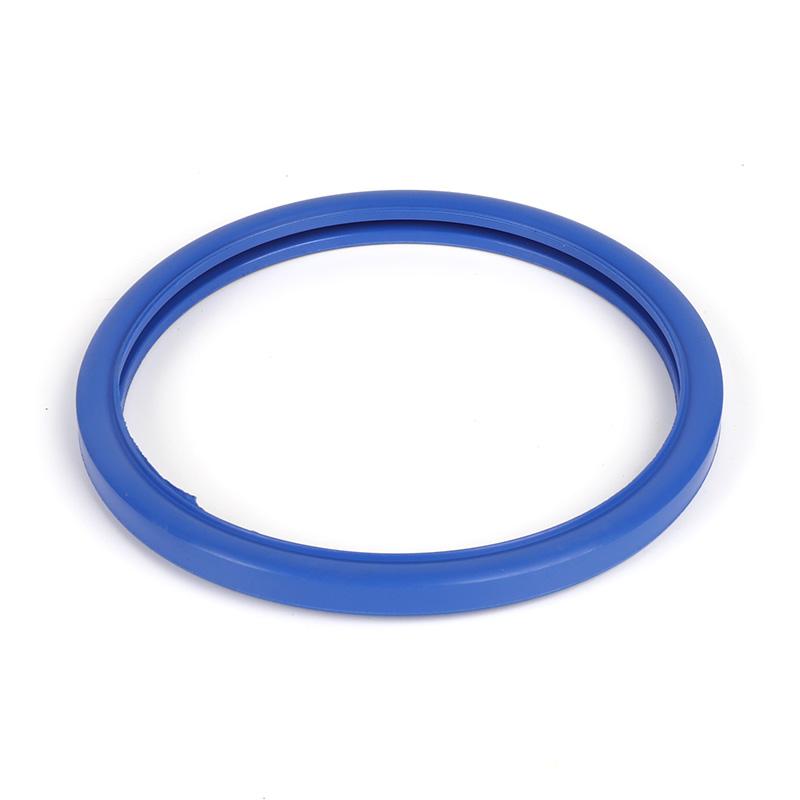
Seal design affects how pressure spreads across the contact surface after installation. Material may be suitable for the application, although an unsuitable profile can still reduce sealing performance.
Cross-sectional shape influences how the seal fits inside its housing. Different equipment layouts create different contact patterns once compression begins.
Material thickness also changes the way pressure acts on the sealing element. A thinner section may respond differently from a thicker profile even when both are produced from the same material.
Installation space deserves equal attention. Limited space around the sealing area may influence profile selection and compression after assembly.
| Structure Factor | Practical Influence |
|---|---|
| Seal Shape | Determines fitting method |
| Material Thickness | Changes pressure response |
| Contact Surface | Influences sealing stability |
| Installation Position | Affects operating condition |
Movement inside the equipment should also be considered. A static flange connection creates different sealing conditions from a rotating shaft or a sliding cylinder. Matching profile design with actual movement helps the sealing element work more naturally after installation.
Good sealing performance rarely depends on one feature alone. Material, profile shape, installation position, and surrounding structure all contribute to how the component behaves during everyday operation.
Higher pressure usually places greater demand on every sealing point inside a machine. A sealing component stays in contact with surrounding parts for long periods, so small differences in material or profile may gradually become visible during operation.
Installation space deserves attention before production begins. Equipment rarely shares exactly the same internal dimensions, even when performing similar tasks. A sealing profile that fits one assembly may create unnecessary compression or insufficient contact inside another.
Movement is another practical factor. Sliding surfaces, rotating shafts, and repeated opening or closing actions all influence the working surface of a seal. Daily operation slowly changes the contact area, making regular inspection part of normal equipment care instead of occasional maintenance.
Selection often involves several practical checks.
Projects involving higher working pressure often require additional discussion before production. Many purchasing teams communicate with a High Pressure Oil Seals Supplier to compare manufacturing methods, material options, and profile arrangements according to equipment drawings instead of choosing parts only by size.
A sealing component usually performs more steadily when its profile, material, and installation conditions have all been considered together.
Operating surroundings change from one workplace to another. Temperature, moisture, dust, cleaning routines, and working fluids all influence how sealing materials behave over time.
Equipment that starts and stops throughout the day creates repeated expansion and contraction around sealing areas. Changes happen gradually, although contact surfaces may eventually show signs of wear after long periods of operation.
Dust should not be overlooked. Fine particles can settle around moving parts and collect near sealing edges. Cleaning exposed areas regularly makes inspection easier and helps reveal changes before larger maintenance work becomes necessary.
Fluid contact also changes from one application to another. Hydraulic oil, lubricants, cooling liquids, or cleaning agents may remain around sealing surfaces during everyday operation. Material selected for the actual working medium generally adapts more naturally to long-term service.
Routine care often includes simple tasks.
Maintenance notes may appear ordinary, although they often help explain gradual changes that develop across several inspection periods. Small records collected during routine work can support future maintenance planning.
Purchasing decisions usually begin with the equipment rather than the sealing product itself. Every project has its own installation space, working medium, and operating environment, making communication an important part of the process.
Drawings, application details, and operating conditions should be discussed before production. Early communication often reduces unnecessary revisions after manufacturing has already started.
Production capability also deserves attention. Different sealing profiles require different processing methods, so buyers often review whether a supplier can produce components according to project requirements instead of relying only on standard sizes.
Inspection procedures provide another reference during evaluation. Material checks, dimensional verification, and finished product inspection help maintain consistency throughout production.
| Evaluation Area | Practical Consideration |
|---|---|
| Technical Discussion | Understanding equipment requirements |
| Production Capability | Manufacturing different sealing profiles |
| Inspection Practice | Material and finished product checking |
| Delivery Planning | Matching production schedules |
Customization ability may become valuable when equipment contains uncommon dimensions or special installation layouts. Small adjustments during production can sometimes simplify later assembly.
Cooperation generally becomes smoother when both sides share clear technical information from the beginning.
Manufacturing equipment continues to develop in different directions, creating a wider variety of structures, installation spaces, and operating environments. Because of that, sealing components are often designed around the equipment instead of expecting every assembly to accept the same standard profile.
Customized sealing solutions allow dimensions, cross sections, and material choices to follow actual working conditions. Pressure, movement, surrounding media, and installation methods all influence the finished design.
Material choice is only one part of the process. Profile geometry, assembly accuracy, and working environment remain closely connected throughout production and later operation. Looking at those factors together usually provides a clearer direction during component selection.
For manufacturers, a sealing part is one element inside a larger assembly. It supports separation between working media, helps maintain equipment operation, and connects with surrounding components through careful design rather than complicated appearance.
Custom Seals And Gaskets continue to be used across different manufacturing fields because equipment itself continues to change. Matching sealing components with actual pressure conditions, operating surroundings, and assembly requirements helps create solutions that fit practical industrial applications more naturally.
RECOMMENDED PRODUCTS

product center
Contact Info
+86-576-88024290
txm@zhejianghaiwei.com
No. 515, Jiutang South Road, TaizhouBay New District, Taizhou, Zhejiang, China.

Vehicle Rubber Seals Factory