 中文简体
中文简体
 English
 русский
 Español
 日本語
日本語
 Deutsch
 Tiếng Việt

+86-576-88024290
Search
31 07, 2026
Industry Updates
Oil seals perform a specific job in rotating equipment. They keep lubricants where they belong and keep contaminants out. A seal sits between the rotating shaft and the stationary housing, maintaining a barrier that prevents oil from leaking out and dirt from getting in. Without that barrier, the bearings lose lubrication and the equipment fails.
The service life of an oil seal depends on several factors. Some of those factors relate to the seal itself. Others relate to the operating conditions. A seal that works well in one application may fail quickly in another. The conditions determine how long the seal lasts.
When an Industrial Rubber Oil Seal fails during operation, the consequences can be serious. The equipment may lose lubricant and overheat. Contaminants may enter the bearing housing and cause damage. The failure often leads to unplanned downtime and repair costs.
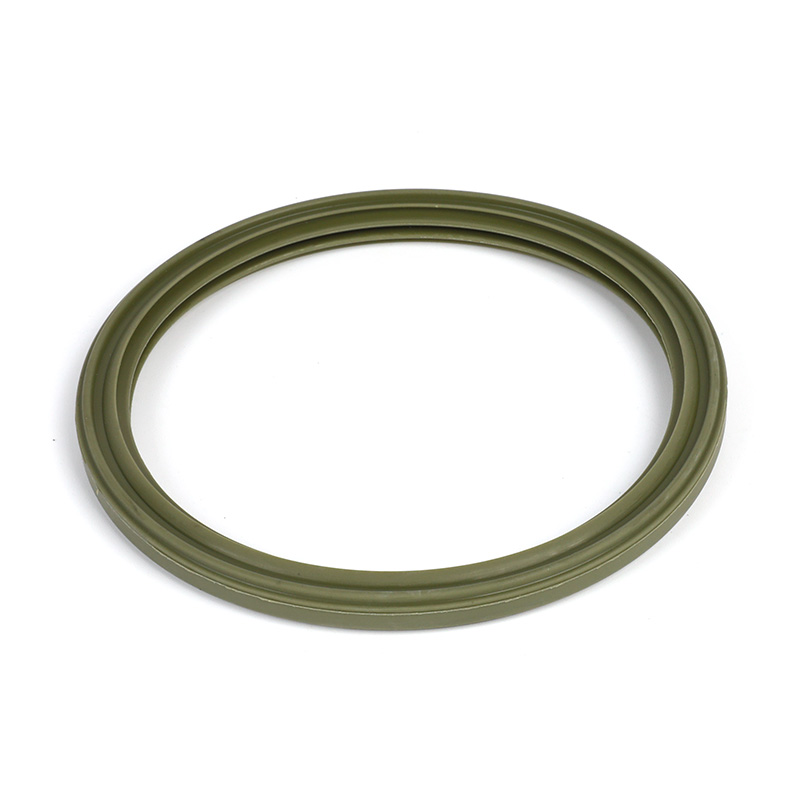
The rubber compound used in the seal determines how well it withstands the operating conditions. NBR (nitrile rubber) offers good resistance to oil and is commonly used in general industrial applications. The material performs well at moderate temperatures and with standard lubricants.
FKM (fluorocarbon rubber) handles higher temperatures than NBR. The material maintains its sealing properties in applications where temperatures would degrade nitrile. FKM also resists a broader range of chemicals, making it suitable for more demanding environments.
HNBR (hydrogenated nitrile) offers improved performance over standard NBR. The material withstands higher temperatures and provides better resistance to aging. HNBR works well in applications with both oil exposure and moderate heat.
The compatibility of the seal material with the operating fluid affects the seal life. An incompatible fluid will swell or shrink the rubber, changing the seal geometry and causing leakage. The table below compares common rubber materials for oil seals.
| Material | Temperature Range | Oil Resistance | Typical Applications |
|---|---|---|---|
| NBR | -40°C to 100°C | Good | General industrial |
| FKM | -20°C to 200°C | Excellent | High temperature |
| HNBR | -40°C to 150°C | Very good | Oil and heat |
Temperature affects the rubber properties of the seal. At high temperatures, the rubber softens and loses sealing force. The seal may not maintain contact with the shaft, and leakage occurs. At low temperatures, the rubber hardens and becomes less flexible. The seal may not conform to the shaft surface, and leakage occurs.
Temperature cycling adds another dimension of stress. A seal that goes from cold to hot and back again experiences expansion and contraction. The lip geometry changes with each cycle. The repeated movement can cause the seal to fatigue and fail.
The aging of rubber accelerates at higher temperatures. The material undergoes chemical changes that cause it to harden and crack. The seal may still maintain contact with the shaft, but the lip becomes less effective. High Pressure Oil Seals Suppliers can provide guidance on material selection for specific temperature ranges.
System pressure acts on the seal lip and affects the sealing force. The pressure pushes the lip against the shaft, increasing the contact force. A moderate pressure helps the seal do its job. A high pressure creates excessive friction that wears the lip.
Pressure spikes cause sudden increases in the load on the seal lip. The spike can damage the lip or push the seal out of position. The seal design should account for the pressure profile of the application. Some seal designs incorporate pressure relief features that protect the lip.
Cycling pressure, where the system pressure goes up and down, causes the seal lip to move with the pressure changes. The movement adds to the wear on the lip. The seal material and design should accommodate the expected pressure variations.
The surface finish of the shaft affects how the seal lip contacts the shaft. A rough shaft surface acts like an abrasive, wearing the lip material away. A smooth shaft surface allows the seal lip to glide without excessive wear.
The finish also influences the lubricant film under the sealing lip. A certain amount of roughness helps hold the film in place. Too much roughness breaks the film and allows metal-to-metal contact. The manufacturer's recommendations for shaft finish should be followed.
The concentricity of the shaft matters as well. A shaft that runs out of round or wobbles creates a fluctuating gap between the seal lip and the shaft. The lip must accommodate this movement, and the movement adds to the wear on the lip.
Industrial oils and lubricants come in many formulations. Some contain additives that protect metal surfaces or reduce oxidation. Those additives can also affect rubber seals. A seal material that works with one oil may swell or degrade when exposed to another.
Chemical degradation happens when the rubber compounds react with the fluid. The rubber may harden, soften, crack, or swell. Each change alters the seal geometry and reduces the sealing force. The seal no longer fits the shaft properly, and leakage follows.
The additive package in a lubricant matters as much as the base oil. Extreme pressure additives, anti-wear agents, and corrosion inhibitors all interact with the seal material. High Pressure Oil Seals Suppliers can advise on material compatibility for specific lubricants. The supplier's experience with different fluid types helps in selecting the right seal.
The speed of the shaft determines how much friction the sealing lip experiences. Higher speed means the lip slides over the shaft surface more quickly. The increased sliding speed generates more heat. That heat adds to the thermal load on the seal.
The lubricant film between the lip and the shaft changes with speed. A certain film thickness helps protect the lip from wear. At higher speeds, the film may break down or become unstable. The lip contacts the shaft directly, and wear accelerates.
Different seal designs suit different speed ranges. A seal with a hydrodynamic pumping feature works better at higher speeds. The design helps maintain a lubricant film and reduce friction. The seal lip geometry should match the operating speed of the equipment.
Damage during installation accounts for many seal failures. The sealing lip is delicate and can be nicked, cut, or folded during installation. Once damaged, the lip cannot maintain a seal. The damage may not show up immediately, but the seal will fail early.
Clean surfaces matter for seal performance. Dirt or debris on the shaft or housing can damage the lip as the seal slides into position. The installation area should be clean and free of contaminants. The seal should be handled with care to avoid contamination.
Alignment affects how the seal contacts the shaft. A seal that is installed crooked will have uneven pressure around the circumference. The lip will wear unevenly, and leakage will occur. The installation tools help maintain alignment and protect the lip.
A few installation points worth noting:
Monitoring for early signs of seal leakage catches problems before they cause equipment failure. A small weep of oil around the seal indicates that the seal is starting to fail. The equipment can be scheduled for repair before the seal fails completely. Waiting until the seal fails leads to unplanned downtime.
Regular inspection includes checking the seal area for leakage and contamination. The shaft condition should be observed for wear or damage. A worn shaft surface will damage new seals quickly. The seal should be replaced when the shaft condition warrants it.
The shaft condition changes over time with use. Wear, corrosion, or scoring can create a surface that damages seals. A seal that fails repeatedly may indicate that the shaft needs attention. The shaft surface should be inspected when seals are replaced.
Scheduled seal replacement may be a better strategy than waiting for failure. The cost of a planned replacement is lower than the cost of emergency repair. The seal can be changed during scheduled downtime without disrupting production. The interval should be based on the application and the seal history.
The supplier provides more than the seal itself. The supplier's experience with different applications helps in selecting the right seal for the operating conditions. The supplier understands the interaction between seal materials, fluid compatibility, and operating conditions. That knowledge prevents problems that would otherwise appear in service.
Quality assurance in seal production affects the consistency of the product. A seal that meets the specifications will perform as expected. A seal with hidden defects will fail early. The supplier's quality processes protect against defects.
Testing of seal materials and designs ensures that the seal will perform in the application. The supplier can provide test data to support the selection. The testing gives confidence that the seal will meet the requirements.
A few benefits of working with the right supplier:
The reliability of an oil seal in daily operation depends on many factors. Material selection, temperature, pressure, fluid compatibility, speed, installation, and maintenance all affect the seal's service life. The interaction between these factors determines how long the seal lasts. A seal that is well-selected for the application will provide reliable service. A seal that is not matched to the conditions will fail early. The difference comes down to attention to the factors that affect seal durability.
RECOMMENDED PRODUCTS

product center
Contact Info
+86-576-88024290
txm@zhejianghaiwei.com
No. 515, Jiutang South Road, TaizhouBay New District, Taizhou, Zhejiang, China.

Vehicle Rubber Seals Factory