 中文简体
中文简体
 English
 русский
 Español
 日本語
日本語
 Deutsch
 Tiếng Việt




+86-576-88024290
Search
26 06, 2026
Industry Updates
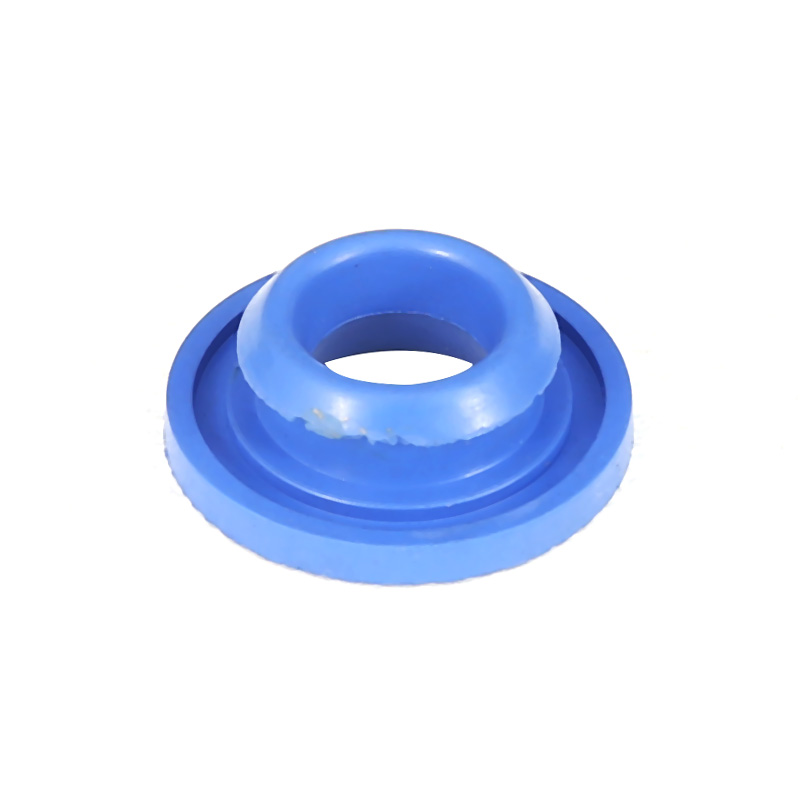
An Industrial Rubber Oil Seal serves a simple yet important purpose. It keeps oil in and dirt out. The seal fits between a rotating shaft and the housing that surrounds it. The seal prevents fluid from leaking along the shaft.
The seal has several parts that work together. The rubber body forms the outer part of the seal. The sealing lip contacts the rotating shaft. The lip creates a barrier that fluid cannot pass. A spring holds the lip against the shaft. The spring maintains contact as the seal wears.
The seal material matters for performance. Different rubber compounds suit different fluids and temperatures. The material must resist the fluid being sealed. The material must handle the operating temperature. The material must remain flexible over time.
The seal design affects how well it works. The lip shape determines the sealing performance. The lip angle affects fluid retention. The lip design also affects friction. A properly designed Industrial Rubber Oil Seal provides reliable sealing.
Oil seals appear across many industries. Any equipment with rotating shafts and lubricants uses seals. The seals keep lubricants in the equipment. The seals keep contaminants out of the equipment.
Manufacturing facilities use seals in many machines. Conveyors, gearboxes, and motors all contain seals. The machines operate for long hours. The seals must last through the production shifts. The seal failure would stop production.
Automotive equipment relies heavily on seals. Engines, transmissions, and axles all use seals. The seals contain fluids under various conditions. The seals must handle temperature changes. The seals must handle high speeds. High Pressure Oil Seals Suppliers provide seals for automotive applications.
Agricultural equipment operates in demanding conditions. Dust, mud, and moisture challenge the seals. The equipment must keep working through the season. The seals must protect bearings and shafts. An Industrial Rubber Oil Seal in agricultural equipment must resist contamination.
The engine contains many rotating shafts. Each shaft passes through the engine block. Each penetration needs a seal. The seals contain the engine oil.
The crankshaft seal works at the front and rear of the engine. The crankshaft rotates at engine speed. The seal must handle that speed. The seal must handle the oil pressure. The seal must handle the heat from the engine.
The camshaft seals work at the top of the engine. The camshaft rotates at half engine speed. The seal contains oil in the cylinder head. The seal must handle the same conditions as the crankshaft seal.
Engine seals must last for many miles. The seals wear gradually. The seal lip maintains contact with the shaft. The spring maintains the lip pressure. A failed engine seal allows oil to leak.
Gearboxes contain lubricants for gears and bearings. The lubricant must stay inside the gearbox. Seals at the input and output shafts contain the lubricant. The seals also keep contaminants out.
The gearbox seals must handle the operating speed. The input shaft turns at motor speed. The output shaft turns at a different speed. Each seal sees different conditions. Each seal must perform at its speed.
The gearbox seals must handle the temperature. Gearboxes generate heat during operation. The temperature rises above ambient. The seals must function at the operating temperature. The seal material must maintain its properties.
Contaminants threaten the gearbox. Dust and moisture can enter through failed seals. The contaminants damage the gears and bearings.An Industrial Rubber Oil Seal protects the gearbox from contamination.
Agricultural equipment works outdoors in challenging conditions. Dust, mud, and moisture are always present. The equipment must operate through these conditions. The seals protect the equipment.
Tractors use seals in many locations. The engine, transmission, and axles all have seals. Each seal contains lubricants. Each seal keeps contaminants out. The seals must handle the field conditions.
| Equipment | Seal Location | Function |
|---|---|---|
| Tractor | Engine, transmission, axles | Contains fluids, excludes contaminants |
| Combine harvester | Drivetrain, cutting mechanism | Protects bearings from debris |
| Sprayer | Pumps, wheel hubs | Contains fluids, keeps out chemicals |
| Baler | Drive system, pick-up mechanism | Protects rotating components |
The seals in agricultural equipment face a difficult environment. Dust from the field can enter the equipment. The seals keep the dust out. Moisture from rain or irrigation can damage the equipment. The seals keep the moisture out. High Pressure Oil Seals Suppliers offer seals designed for agricultural conditions.
Pumps move fluids from one place to another. The pump shaft passes through the pump housing. A seal prevents the fluid from leaking along the shaft. The seal must handle the fluid being pumped.
Centrifugal pumps use seals at the shaft penetration. The seal contains the pump fluid. The fluid may be water, oil, or chemicals. The seal material must resist the fluid. The seal must handle the pump pressure.
Compressors work with gases and lubricants. The compressor shaft needs a seal. The seal contains the lubricant. The seal also contains the gas being compressed. The seal must handle the operating pressure.
The seal in pumps and compressors experiences different conditions. Some pumps run continuously. Other pumps run intermittently. Compressors may run for long periods. The seal must suit the operating pattern. High Pressure Oil Seals Suppliers provide seals for pump and compressor applications.
Hydraulic systems use fluid to transmit force. The fluid is under pressure. The pressure can be high. The seals must contain the pressurized fluid.
Hydraulic cylinders use seals at the piston and rod. The piston seal contains fluid inside the cylinder. The rod seal prevents leakage along the rod. Both seals must handle the system pressure.
The seals in hydraulic systems experience pressure cycling. The pressure changes as the system operates. The seals must maintain sealing through the pressure changes. The seal material must handle the pressure cycles.
Hydraulic fluid can be aggressive. The fluid chemistry affects seal materials. The seal must resist the fluid. The seal must maintain its properties. An Industrial Rubber Oil Seal in hydraulic service requires careful material selection.
Oil seals face various environmental conditions. The conditions affect how long the seals last. The conditions affect how well the seals perform. The seal selection must consider the environment.
Temperature extremes challenge seal materials. High temperatures can harden rubber. The hardened rubber loses flexibility. The seal lip may not maintain contact. Low temperatures can make rubber brittle. The brittle rubber may crack.
Chemical exposure affects seal materials. Some chemicals attack rubber. The rubber may swell or degrade. The seal may lose its sealing ability. The seal material must resist the chemicals present.
Contaminants in the environment affect seals. Dust and dirt can damage the seal lip. The contaminants cause wear. The wear creates leakage paths. The seal life decreases in dirty environments.
Proper lubrication extends seal life. The seal lip needs lubrication. The lubricant reduces friction. The friction creates heat. Heat damages the seal. An Industrial Rubber Oil Seal must be compatible with the lubricant.
Proper seal selection starts with understanding the application. The operating conditions must be known. The fluid, temperature, and pressure must be identified. The seal must match the conditions.
The seal material affects performance. Different materials suit different conditions. Nitrile rubber works with oil. Fluorocarbon works with higher temperatures. The material must resist the fluid and temperature.
The seal design affects performance. The lip design affects sealing and friction. The spring design affects lip pressure. The seal size must match the shaft and housing. The design must suit the application.
Proper installation affects seal life. The seal must be installed correctly. The shaft must be in good condition. The housing must be clean. A correctly installed Industrial Rubber Oil Seal performs as expected.
| Material | Temperature Range | Fluid Resistance | Common Uses |
|---|---|---|---|
| Nitrile | Moderate | Oil, water | General industrial |
| Fluorocarbon | High | Many chemicals | High temperature |
| Silicone | Wide | Limited fluids | Temperature extremes |
| Polyacrylate | Moderate | Oil, heat | Automotive |
| PTFE | Wide | Most fluids | Chemical service |
Selecting an oil seal involves considering several factors. The operating conditions determine the seal requirements. The seal must match the conditions.
The fluid being sealed affects material selection. The seal must resist the fluid. The seal must not swell or degrade. The seal must maintain its sealing ability. High Pressure Oil Seals Suppliers provide guidance on material selection.
The temperature affects material selection. The seal must function at the operating temperature. The seal must maintain its flexibility. The seal must not become brittle or soft. The material must suit the temperature range.
The shaft speed affects seal design. Higher speeds require different seal features. The lip design must handle the speed. The seal must not generate excessive heat. The seal must maintain contact at speed.
The pressure affects seal design. Higher pressure requires different seal features. The seal must resist the pressure. The seal must maintain its position. The seal must not extrude under pressure.
The expected service life affects seal selection. Some applications need long life. Other applications accept shorter life. The seal material and design affect the service life. The selection should match the expected life.
RECOMMENDED PRODUCTS

product center
Contact Info
+86-576-88024290
txm@zhejianghaiwei.com
No. 515, Jiutang South Road, TaizhouBay New District, Taizhou, Zhejiang, China.

Vehicle Rubber Seals Factory