 中文简体
中文简体
 English
 русский
 Español
 日本語
日本語
 Deutsch
 Tiếng Việt


+86-576-88024290
Search
14 08, 2026
Industry Updates
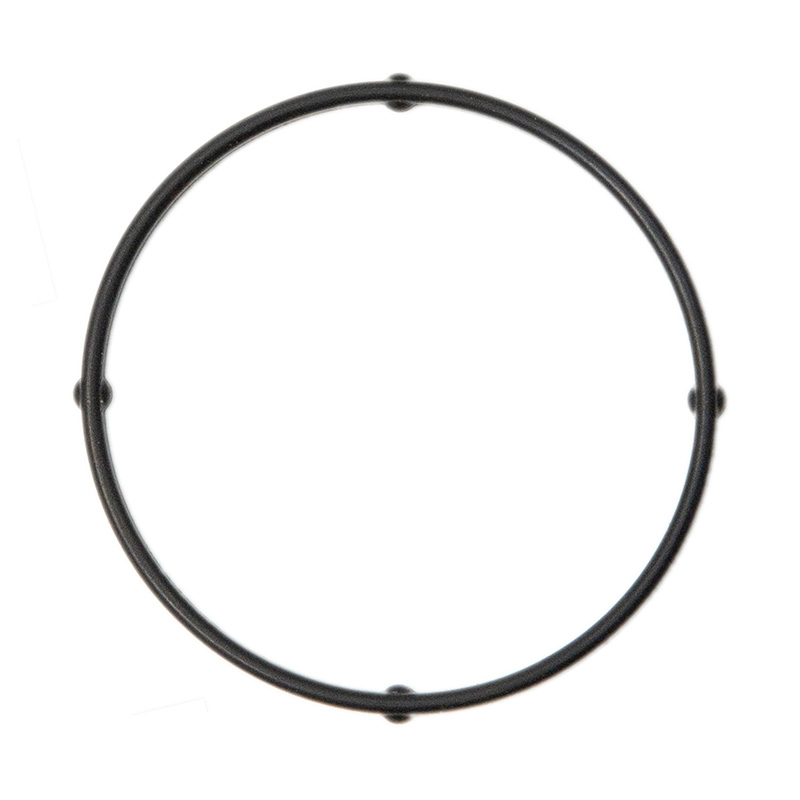
A sealing ring may look like a small part within a larger assembly, yet material choice can influence how well the seal maintains contact during long periods of operation. Shape alone does not determine sealing behavior. Material needs to respond appropriately to temperature, fluid contact, pressure, movement and installation conditions.
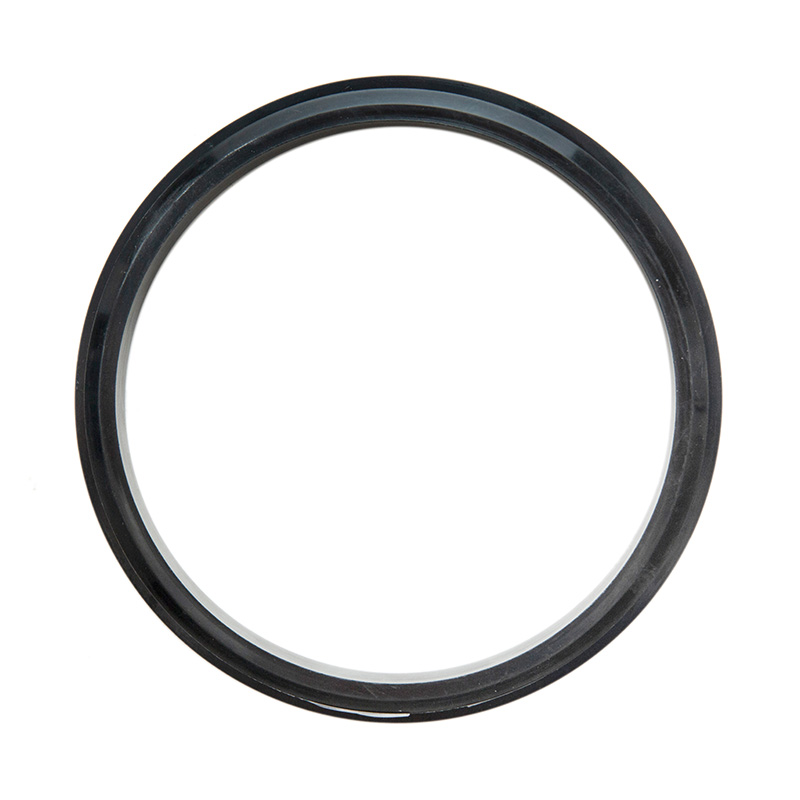
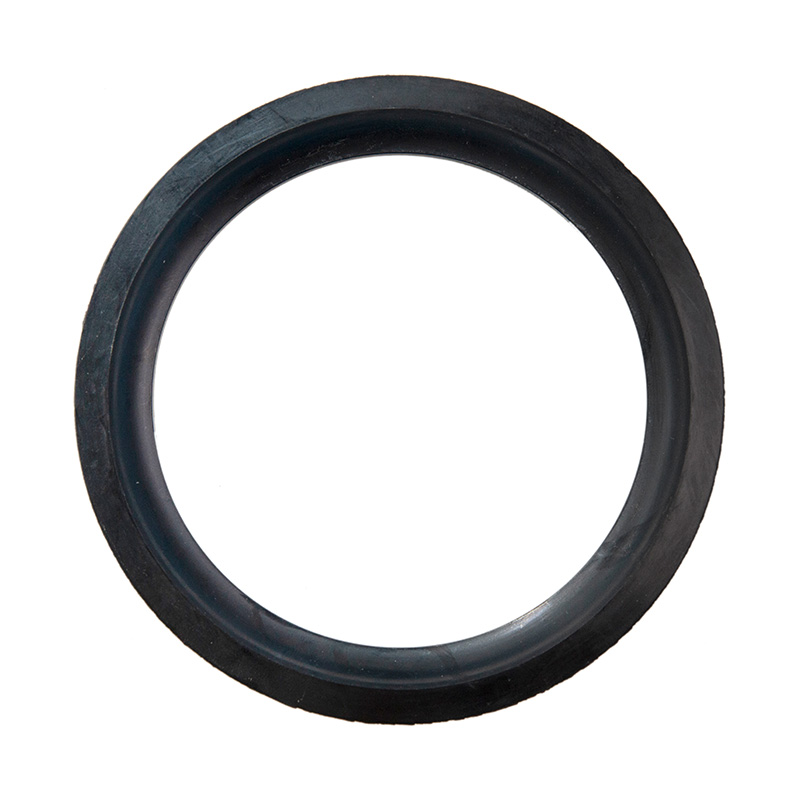
A Rectangular Seal Ring has a different contact shape from a round sealing ring. Its flat sides and corners interact with the surrounding groove in a particular way, so material flexibility and recovery become important during compression.
Long-term use can place repeated demands on the material. Temperature changes may cause expansion and contraction, while contact with water, oil or cleaning fluids may gradually alter surface condition. Repeated movement can also create friction along the sealing area.
Material selection therefore starts with the working environment rather than the ring's appearance.
Several conditions deserve attention:
A material that behaves well in one environment may respond differently under another set of conditions. For that reason, selecting a sealing material requires a connection between the ring design and its actual operating surroundings.
Working conditions can change throughout normal equipment operation. A sealing ring may experience temperature movement, pressure changes and repeated contact with fluids rather than remaining under one fixed condition.
Temperature is particularly important because sealing materials can become softer or harder as conditions change. A material that remains suitably flexible across the expected operating range can maintain contact more consistently than one that changes shape too readily.
Fluid exposure creates another consideration. Water, oil and cleaning liquids can interact differently with sealing materials. Long contact may cause swelling, surface changes or loss of the intended shape, depending on the material.
Pressure also affects the sealing relationship. Compression needs to remain sufficient to maintain contact around the joint without placing unnecessary stress on the ring.
A practical material review can consider:
Looking at operating conditions as a group helps prevent material selection from being based on one property alone.
Material properties influence how a rectangular sealing ring responds after installation. Elastic recovery, flexibility, surface resistance and hardness can all affect the contact between the ring and its surrounding groove.
Elastic recovery matters because compression changes the original shape of a seal. Once installed, material needs to maintain enough restoring force to remain against the mating surfaces.
A ring that is too flexible may deform during installation or under pressure. A material that is too stiff may be difficult to place into a narrow groove and may not adapt easily to small surface variations.
Wear resistance becomes relevant where repeated movement occurs. Contact between the ring and another surface can gradually affect the sealing edge, especially when lubrication or surface conditions are not suitable.
Material hardness also influences handling. Softer materials may be easier to compress during installation, while harder materials can provide a different response under mechanical load.
For practical selection, several properties can be considered together:
No single property determines whether a material will work. A balanced relationship between material behavior and the physical sealing structure is more useful.
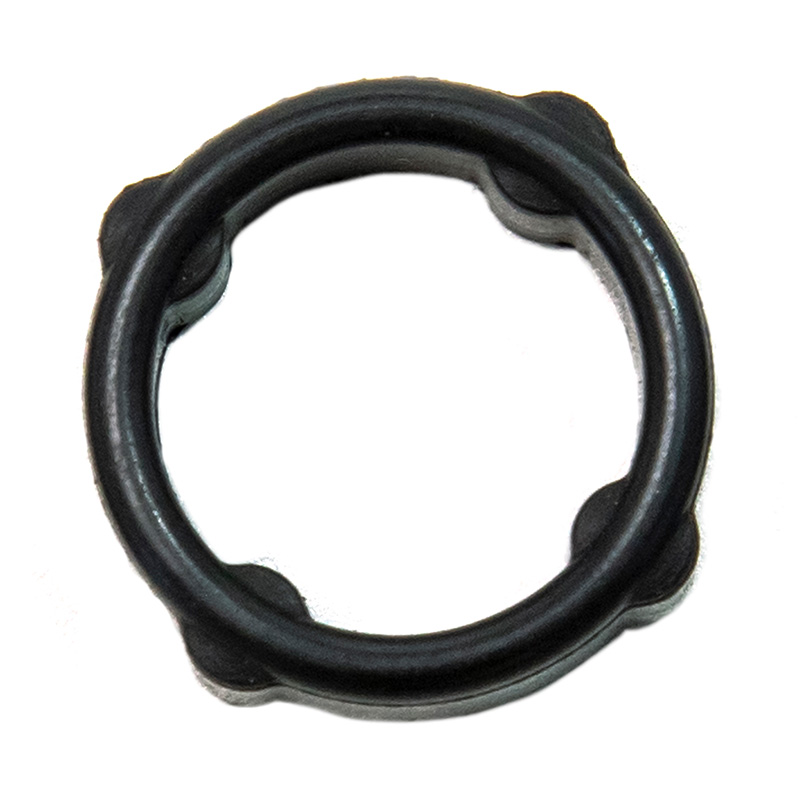
Compression is central to how a sealing ring maintains contact. Once placed inside a groove, a rectangular profile is compressed between surrounding surfaces. Material response determines how that pressure is maintained during continued use.
A new seal may appear to fit correctly during assembly, while long-term compression can gradually change its shape. Repeated pressure, temperature movement and material aging may reduce the original recovery behavior.
Groove design needs to work with material characteristics. Excessive compression can make installation difficult and may place unnecessary stress on the ring. Insufficient compression can reduce contact around the sealing area.
A suitable relationship can be considered through:
Groove size → Ring dimensions → Material flexibility → Compression → Contact
Each stage influences the next. Changing material without checking groove dimensions can therefore alter the final sealing condition.
Corners deserve particular attention with rectangular profiles. A corner needs to remain seated properly rather than folding or shifting during installation. Material flexibility can influence how easily the ring follows the shape of the groove.
Long-term stability depends on maintaining useful contact rather than simply achieving tight compression during initial assembly.
Fluid contact can gradually influence sealing materials, especially when a ring remains in contact with the same medium for long periods. Water may create different conditions from oil, cleaning liquid or another working fluid.
Material compatibility should therefore be considered before selection. A material that changes size or surface condition after prolonged exposure may no longer sit in the same way inside its groove.
Potential changes can include:
Actual behavior depends on the material and surrounding conditions, so visual inspection alone cannot always show whether a sealing material remains suitable.
Fluid temperature can also change the situation. A liquid that is relatively mild under normal conditions may interact differently with a seal when operating temperature changes.
For equipment exposed to several fluids during cleaning and operation, selection needs to account for the complete contact environment rather than only the primary working medium.
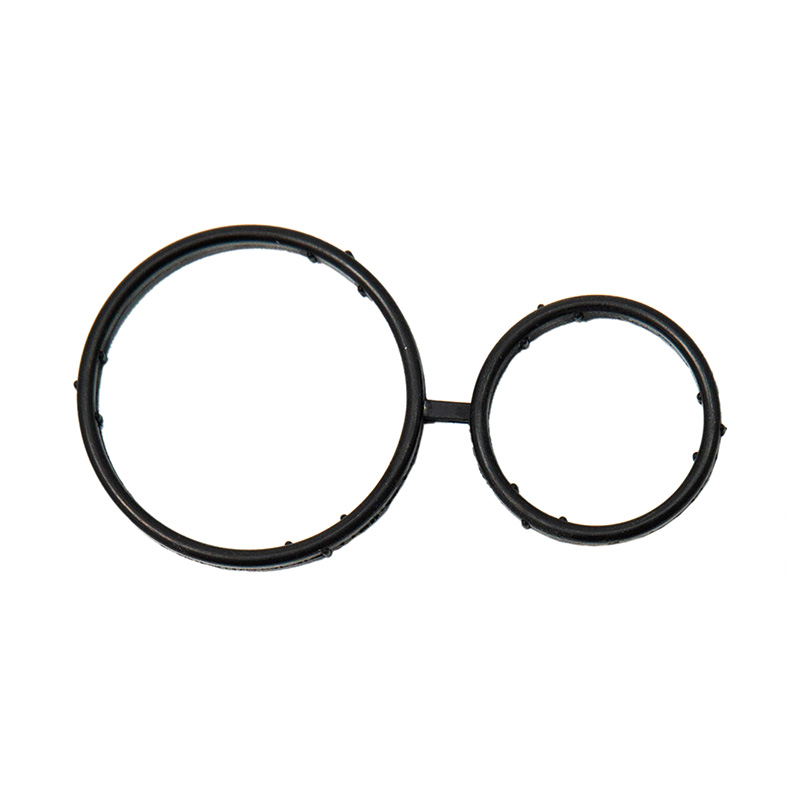
Automotive Water Pump Seals operate within an environment where fluid contact, temperature variation and mechanical movement can occur together. Material selection therefore becomes closely connected with long-term sealing behavior.
A water pump sealing structure may need to maintain contact while surrounding components move or rotate. Fluid remains part of the operating environment, while temperature changes can influence the material's flexibility and shape.
| Working Condition | Material Consideration |
|---|---|
| Water contact | Resistance to prolonged fluid exposure |
| Temperature changes | Stable flexibility and shape |
| Repeated movement | Resistance to surface wear |
| Compression | Suitable recovery after deformation |
| Installation | Adequate flexibility for fitting |
A suitable material needs to respond to several conditions at once. Focusing only on water resistance, for example, does not address movement or temperature effects.
For Automotive Water Pump Seals, geometry also needs to be considered alongside material selection. A rectangular profile, groove shape and surrounding components determine how compression is distributed around the sealing area.
Material choice therefore forms part of a wider design relationship. Long-term sealing depends on how material behavior works with compression, fluid exposure, movement and installation conditions rather than on material characteristics in isolation.
Installation can affect the later performance of a sealing ring long before equipment begins normal operation. A material may have suitable working properties, yet improper handling can stretch, twist or damage the ring during fitting.
A Rectangular Seal Ring needs to sit evenly inside its groove. Corners deserve particular care because a small fold or displacement can change the contact condition after the mating component is assembled.
Material flexibility has a direct connection with installation. Softer materials may conform easily to a groove, while a firmer material may require more careful positioning. Excessive force during fitting can damage edges or create a distorted section.
Several installation conditions can be reviewed:
Clean surfaces help prevent particles from creating unwanted gaps. Correct positioning also reduces the chance of uneven compression once the assembly is closed.
Installation method should therefore be considered during material selection. A ring intended for a narrow or complicated groove may need different handling characteristics from one installed into a relatively open and accessible location.
A rectangular profile creates a particular relationship between the sealing ring and its groove. Flat sides provide broad contact areas, while corners connect each section of the profile and need to remain properly seated during assembly.
Material behavior can change how the profile responds to compression. A flexible material may adapt more easily to small variations in the groove, while a firmer material may hold its shape differently under pressure.
| Design Factor | Material Consideration |
|---|---|
| Rectangular cross section | Compression and recovery |
| Narrow sealing area | Elastic response |
| Repeated movement | Wear resistance |
| Fluid contact | Material compatibility |
| Tight installation space | Flexibility and handling |
Geometry and material should therefore be reviewed together. Changing the ring material without reviewing the groove can alter compression. Changing groove dimensions without considering material flexibility can create installation problems.
Corners also require attention where the ring changes direction. During fitting, an overly flexible material may shift from its intended position, while an overly firm material may resist seating into a tight corner.
A practical design considers how the material behaves across the complete profile rather than focusing only on its flat sealing faces.
Long-term compression can gradually change the shape and response of a sealing ring. Continuous pressure may cause the material to remain partly deformed, reducing its ability to return toward its original form.
Temperature movement can add another influence. Heating and cooling can change material flexibility and dimensions, creating repeated changes in the contact relationship between the ring and surrounding surfaces.
A suitable material should therefore maintain useful contact under expected operating conditions. Material selection needs to reflect the amount of compression, groove structure and working environment together.
For long-term applications, attention can be given to:
Compression should not be considered as a simple matter of making a seal fit tightly. Excessive pressure can complicate installation and increase stress around the sealing area, while insufficient pressure may leave unwanted paths for fluid movement.
A balanced relationship between material response and groove geometry provides a more practical basis for selection.
Fluid compatibility remains important after installation because the sealing material can remain in contact with its surrounding medium throughout operation.
For Automotive Water Pump Seals, water exposure may be a central consideration, while other equipment can involve oils, cleaning fluids or mixed environments. Material selection needs to reflect actual contact rather than relying on the general category of the equipment.
Long exposure can influence a material in different ways. Swelling may alter dimensions, while hardening or softening can change how the ring responds to compression.
Checking compatibility can therefore include:
A seal that maintains its intended shape and flexibility under the expected fluid conditions has a better chance of preserving its designed contact relationship.
Fluid compatibility also needs to be considered alongside mechanical movement. A material may tolerate a fluid reasonably well while still experiencing wear from repeated movement. Selecting according to one condition alone can leave other operating factors unaddressed.
Material selection becomes clearer when actual working conditions are listed before a particular material is chosen. Such a process connects the sealing ring with the equipment rather than treating the component as an isolated part.
A practical review can cover:
A Rectangular Seal Ring performs as part of a larger system in which material, geometry, compression, fluid exposure and installation all interact. Selecting material according to one characteristic alone can overlook conditions that become important during continued use.
For Automotive Water Pump Seals, temperature, fluid contact and movement may exist together, making material compatibility closely connected with the sealing structure. A suitable selection process therefore starts with the environment, then considers geometry and installation requirements.
A useful selection path is:
Working environment → Fluid exposure → Temperature → Groove design → Compression → Material behavior → Installation
Such coordination helps keep material choice connected with actual equipment requirements. Long-term sealing is not simply a matter of selecting a flexible material or creating a tight fit. Stable performance comes from matching material behavior with the conditions surrounding the sealing ring throughout its service period.
RECOMMENDED PRODUCTS

product center
Contact Info
+86-576-88024290
txm@zhejianghaiwei.com
No. 515, Jiutang South Road, TaizhouBay New District, Taizhou, Zhejiang, China.

Vehicle Rubber Seals Factory