 中文简体
中文简体
 English
 русский
 Español
 日本語
日本語
 Deutsch
 Tiếng Việt



+86-576-88024290
Search
07 08, 2026
Industry Updates
Seals do their job through contact between the sealing element and the mating surfaces, and the shape of that element really determines how that contact plays out. A seal with a round cross‑section contacts the surfaces in a genuinely different way than one built with a rectangular cross‑section.
The connection between seal geometry and sealing effectiveness is fairly practical once you break it down. A seal that holds consistent contact pressure across its width tends to outperform one where pressure ends up distributed unevenly. Geometry shapes how the seal deforms under compression, how well it resists extrusion, and how comfortably it accommodates surface imperfections it runs into.
Cross‑section shape plays into contact pressure distribution pretty directly. A round seal presses against the surfaces along a narrow band. A rectangular seal spreads contact across a wider area instead. That difference in contact pattern shapes how each seal actually performs once it's under real pressure.
Shape selection gets real attention from design engineers, since the choice genuinely affects sealing reliability down the line. A seal that can't hold contact under operating conditions ends up leaking. A seal that generates too much pressure can end up damaging the mating surfaces it's meant to protect. Getting the shape to match the application requirements is really the whole game here.
A handful of seal profiles show up regularly across industrial applications. The round cross‑section, known as the O‑ring, counts as a widely used seal shape across a huge range of settings. Its simple geometry and reliable performance make it a standard choice for plenty of applications right out of the gate.
Square and rectangular profiles show up in applications where the seal sits in a rectangular groove. These profiles offer different contact characteristics compared to round seals, and they're common in hydraulic and pneumatic systems where space constraints or pressure requirements push designers toward non‑round profiles.
X‑shaped and other specialized profiles exist for more particular needs. These shapes modify the contact pattern or improve sealing under specific conditions that standard shapes struggle with. They tend to demand more careful installation and show up in applications where round or rectangular shapes just don't perform adequately.
Each shape type tackles a different sealing challenge in its own way. Which one fits comes down to pressure, temperature, media, and whatever specific requirements the application brings to the table.
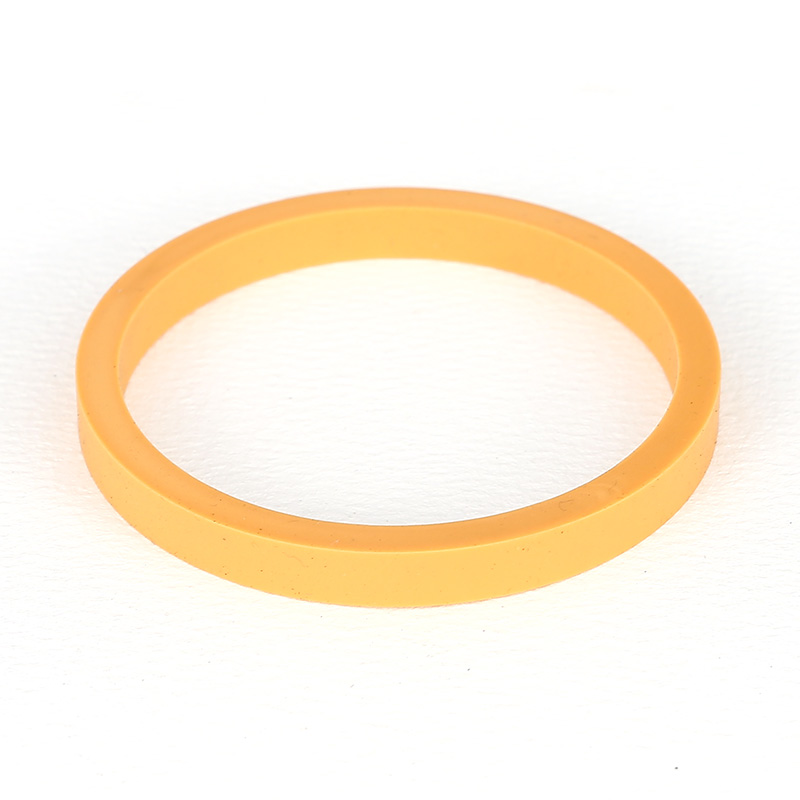
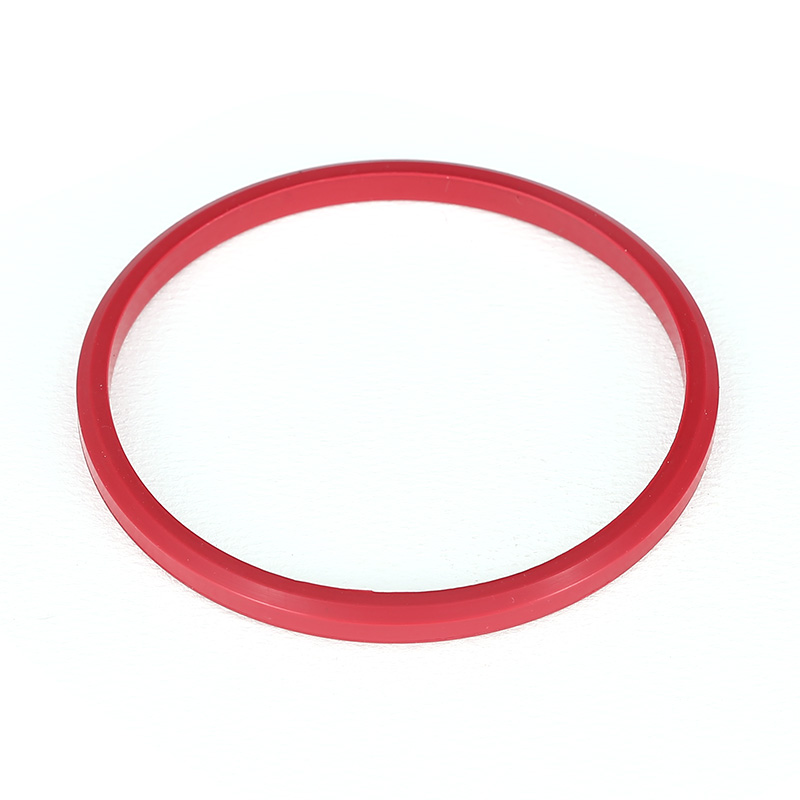
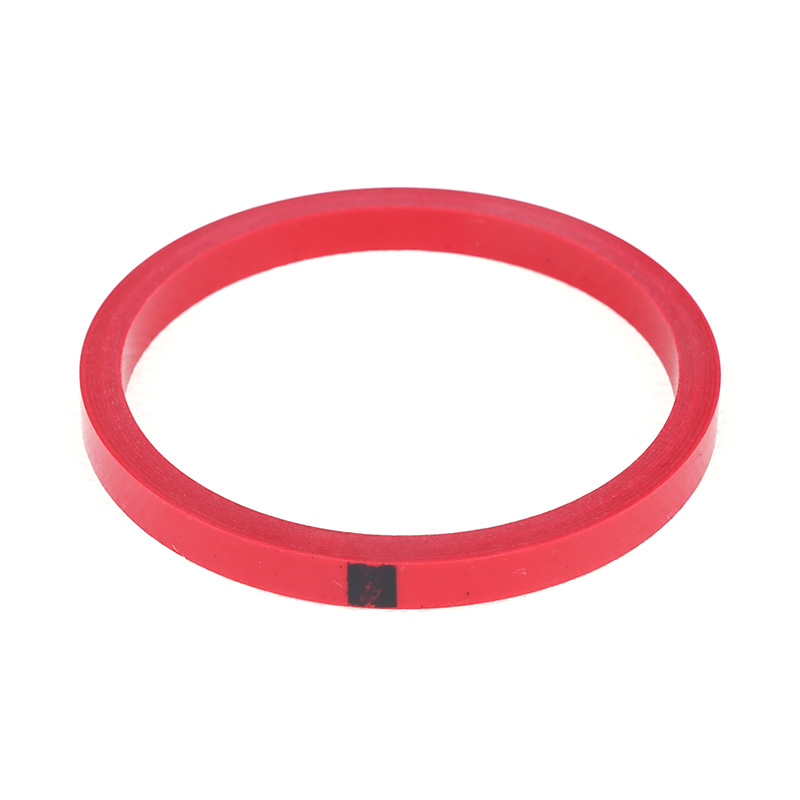
A rectangular cross‑section sets itself apart from round and square shapes in several respects worth noting. The profile runs with straight sides and a uniform width across its entire cross‑section, and the surfaces that touch the mating components are flat rather than curved.
That shape sets itself apart from round alternatives in how contact actually happens. A round seal presents a curved surface to the mating components. A rectangular seal presents flat surfaces instead. That difference in geometry shapes how the seal behaves under compression and how it spreads contact pressure across itself.
Contact surface area ties fairly directly into sealing performance here. A rectangular seal offers a wider contact area than a round seal of similar size. That wider area spreads the sealing force across a larger region, which can shift performance under certain operating conditions.
Rectangular profiles hold a specific spot in seal design overall. They come into play when a round seal can't provide adequate performance, or when the application genuinely needs the particular characteristics that a flat contact surface brings.
A rectangular seal produces a genuinely different pressure distribution. The flat surfaces contact the mating components across a wider area, and pressure distribution tends to stay more uniform across that contact width. The wider area really spreads the sealing load out rather than concentrating it.
Pressure distribution ties into sealing reliability in a meaningful way. A concentrated contact band can seal effectively as long as the seal holds that contact pressure steady. If the seal loses contact or shifts even slightly, leakage can follow. A wider contact area tends to offer more tolerance for variations in sealing conditions as they come up.
These differences in pressure distribution carry real practical weight for seal selection. Applications running high pressure tend to favor seals that maintain concentrated contact. Applications dealing with more variable conditions tend to benefit from wider contact instead.
Seals deform under compression, and the nature of that deformation really depends on shape. Round seals flatten as they compress — the circular cross‑section turns oval, and the contact area widens right along with that deformation.
Rectangular seals respond quite differently to compressive forces. The flat surfaces stay flat. The seal compresses without really changing its basic shape, and the width of the contact area doesn't increase much even as compression continues.
These deformation characteristics play into long‑term seal performance in real ways. A seal that changes shape under compression can end up with stress concentrations building at certain points. A seal that holds its shape tends to distribute stress more evenly across its cross‑section instead.
How a seal responds to compression also shapes its resistance to extrusion. Seals that flatten under pressure tend to extrude into gaps more readily. Seals that hold their shape tend to offer better resistance to extrusion as a result.
| Performance Factor | Rectangular Profile | Standard Round Profile |
|---|---|---|
| Contact area | Wide, distributed contact | Narrow, concentrated contact |
| Pressure distribution | Spread across width | Concentrated at center |
| Deformation behavior | Maintains shape with less distortion | Flattens and spreads under load |
| Tolerance accommodation | Less forgiving of variations | More forgiving of variations |
| Surface finish requirements | Requires smoother surfaces | More tolerant of surface roughness |
| Stability under pressure | Good stability | May roll or twist |
Rectangular seals and round seals each bring their own set of characteristics suited to different applications. Which one fits really comes down to the specific requirements sitting behind the sealing application at hand.
Certain applications genuinely benefit from what a rectangular cross‑section brings to the table. The wider contact area and stable shape play to real advantages in specific sealing conditions, and which profile actually fits comes down to what the seal needs to accomplish in that particular setting.
Rectangular seals tend to shine in static sealing applications especially. The seal stays put without movement between the sealing surfaces, and that wide contact area builds a reliable seal capable of withstanding pressure without needing to deform much at all. Static conditions really play to the strengths this profile brings.
Static sealing and dynamic sealing differ in several respects worth noting. Dynamic seals have to accommodate movement between surfaces as things run. Rectangular seals can work in dynamic applications too, though they need more careful design thought behind them — the seal still has to hold contact even while surfaces are moving around it.
Seal shape and pressure resistance connect in a fairly direct way. Rectangular seals resist extrusion better than round seals under some conditions, since the flat surfaces spread pressure out rather than concentrating it at a single point. That shape brings real stability under high pressure.
Some applications genuinely favor rectangular profiles over round ones. High‑pressure systems can benefit from the extrusion resistance a Rectangular Seal Ring offers. Applications with limited groove space often turn to rectangular profiles simply because they fit the available geometry better. Which shape actually suits the job comes down to the specific application requirements at hand.
A few key areas where rectangular seals tend to get selected:
Installation characteristics shift noticeably between profiles. Rectangular seals bring specific requirements that differ from what round seals need, and understanding those differences really helps ensure proper installation and reliable performance down the line.
Rectangular seals sit in grooves machined to match their shape precisely. Groove depth and width need to accommodate the seal dimensions accurately — a groove that's too shallow compresses the seal too much, while one that's too deep leaves it under‑compressed.
Rolling or twisting during installation is a genuine risk with rectangular seals. The shape doesn't deform as readily as a round seal would, so rectangular seals really need to go into the groove correctly on that initial attempt. Twisting the seal during installation can introduce defects that cause trouble later.
Installation ease plays into seal selection too. Round seals are generally simpler to install since they can roll into position without much fuss. Rectangular seals demand more careful placement instead. That extra care during installation is often worth it given the performance advantages the profile brings.
A few installation considerations worth keeping in mind for rectangular seals:
The surface finish of mating components plays into seal performance in a real way. Rectangular seals need real attention to surface quality, simply because the wider contact area exposes more of the seal surface to whatever the mating components bring with them.
Seal shape and mating surface requirements connect pretty clearly here. Rectangular seals contact surfaces across a wider area, so any surface defects sitting within that contact zone can open up leak paths. Smooth surfaces genuinely support reliable sealing as a result.
Surface finish plays out differently depending on profile. Round seals tolerate rougher surfaces fairly well, since that narrow contact band might not intersect every surface defect it passes over. Rectangular seals, with their wider contact, are considerably less forgiving of surface irregularities in comparison.
Groove finish quality matters a lot for rectangular seals and shouldn't get overlooked. Groove surfaces need to be smooth enough to support sealing properly. Rough groove surfaces can damage the seal during both installation and later operation. Surface considerations really belong in the design process from the start, not as an afterthought.
Seal shape plays into how long a seal lasts and how much maintenance it ends up needing. The profile shapes wear characteristics, aging behavior, and resistance to extrusion, and together these factors determine the seal's overall service life.
Profile shape and wear characteristics connect in a fairly practical way. Rectangular seals can show different wear patterns compared to round seals. The wider contact area spreads wear across more of the seal surface, so whatever wear does happen tends to stay less concentrated in one spot.
How rectangular seals age compared to round seals really depends on service conditions more than shape alone. Both types experience material degradation over time regardless of profile. Shape itself doesn't shift aging dramatically, though contact conditions can influence how that aging ends up affecting performance.
Extrusion resistance plays directly into service life. A seal that extrudes into gaps fails sooner than one that resists extrusion well. The flat surfaces of a Rectangular Seal Ring offer solid resistance to extrusion when the groove is designed properly around it.
For applications needing specialized sealing solutions, Custom Seals And Gaskets can be developed to address requirements that standard profiles just don't cover. A seal designed for one specific application can build in features that standard shapes don't offer at all. Customization tends to make sense when the application demands performance genuinely beyond what standard shapes can deliver.
Choosing between rectangular and standard seals really comes down to weighing several factors together. No single profile suits every application equally well, and the selection process needs to consider the specific requirements the sealing application actually brings.
Application conditions favoring one profile over another include pressure level, temperature range, and media compatibility. Rectangular seals tend to get the nod for high‑pressure static applications. Round seals tend to get preferred for dynamic applications or wherever installation ease genuinely matters more.
Understanding the specific sealing requirements sits at the center of good selection. A seal that meets the pressure requirement but falls apart under temperature variation won't perform reliably in the long run. A seal that seals well initially but extrudes under pressure will eventually fail too. Selection really has to match every condition at once, not just the obvious one.
Which seal shape fits really depends on the application itself. A rectangular seal brings advantages in specific conditions. A round seal brings advantages in others. A few practical factors should guide that choice:
The selection process really comes down to balancing these factors against each other, aiming for a seal that performs reliably under the specific conditions the application throws at it. For situations where a Rectangular Seal Ring doesn't quite meet every requirement, talking with a supplier of Custom Seals And Gaskets can help surface alternative approaches or modifications better suited to the conditions at hand.
RECOMMENDED PRODUCTS

product center
Contact Info
+86-576-88024290
txm@zhejianghaiwei.com
No. 515, Jiutang South Road, TaizhouBay New District, Taizhou, Zhejiang, China.

Vehicle Rubber Seals Factory